Kenyan agriculture is often cited as a sector with huge potential for digital transformation, yet many farmers and agribusinesses are rightly skeptical of technology promises that sound good on paper but fail in the field. At Nuasense, we design and produce IoT sensors that provide actionable insights to farmers across different farming systems.
Through pilots, deployments, and close collaboration with farmers and partners, we have gathered practical lessons on what truly works, and what does not, when applying IoT in Kenyan agriculture. This article shares those insights, with a focus on real-world impact rather than hype. According to Digi International, the global potential of connected farming is well documented. However, the decisive factor in Kenya remains how well these technologies translate into everyday farm decisions.
Practical IoT solutions already transforming smallholder farms in Kenya
For IoT to make a meaningful difference, solutions must be affordable, simple to use, and clearly linked to better farm outcomes. The most successful applications focus on solving very specific problems rather than attempting full-scale digital transformation from day one. In practice, impact comes from technologies that fit into existing farming routines and deliver value within a single season. This aligns with observations from ICTworks, which highlights remote sensing, soil monitoring, and automated data collection as some of the most practical IoT applications for agriculture, particularly in smallholder and resource-constrained contexts.
Low-cost sensor technologies farmers can actually afford
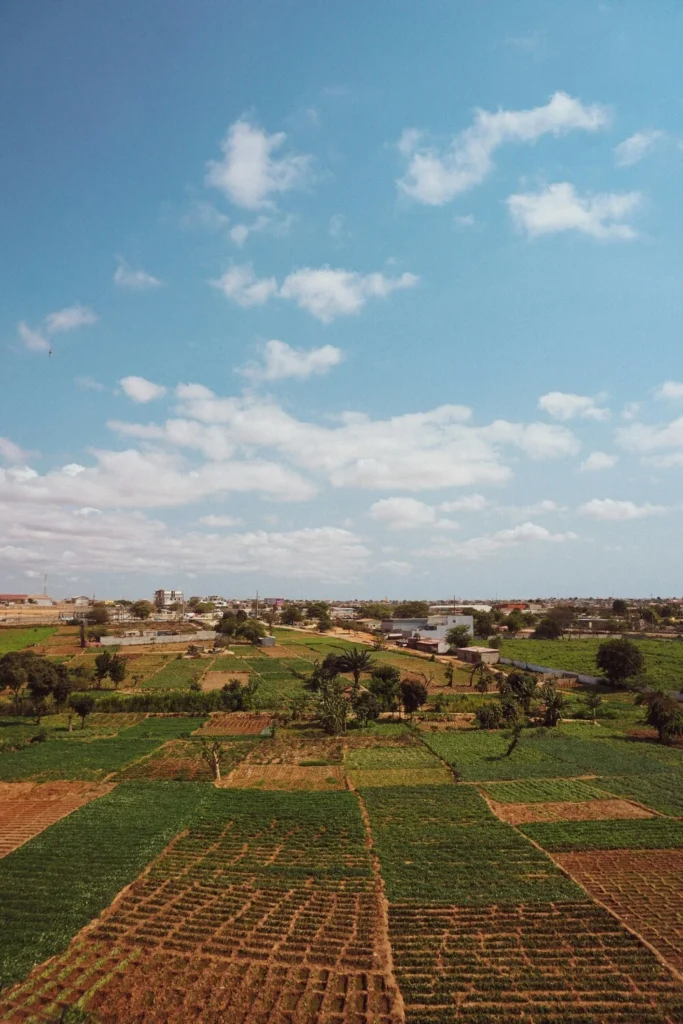
In real-world deployments, farmers adopt IoT only when the hardware cost is justified by clear, measurable benefits. Simple soil moisture, temperature, and humidity sensors have consistently outperformed complex multi-sensor systems in terms of adoption and sustained use. These sensors address immediate, familiar challenges, such as knowing when to irrigate, plant, or protect crops, without overwhelming farmers with excessive data.
Affordability is not only about the initial purchase price. Durable hardware, low maintenance requirements, and long battery life are equally important. Farmers are far more willing to invest when sensors continue working reliably across multiple seasons and when replacement or repair costs are predictable. In many cases, even modest yield improvements or water savings are enough to justify continued use.
Mobile-based IoT platforms leveraging high phone penetration
Kenya’s high mobile phone penetration fundamentally shapes what works in agricultural IoT. Platforms that rely on SMS, USSD, WhatsApp, or simple smartphone dashboards consistently achieve higher engagement than web-based portals. Farmers are more likely to read, understand, and act on insights when they arrive through tools they already use daily.
Effective mobile platforms focus on clarity rather than complexity. Short alerts such as irrigation recommendations, weather warnings, or risk notifications perform better than detailed charts that require interpretation. When insights are timely, localized, and easy to understand, farmers are more confident in adjusting their practices based on sensor data.
Cooperative and aggregation models that make IoT viable at scale
For many smallholders, individual IoT ownership remains financially challenging. Cooperative and aggregation models have therefore emerged as some of the most effective pathways to scale. By sharing sensor infrastructure across groups of farmers, cooperatives reduce per-farmer costs while still delivering valuable insights at plot or block level.
Aggregators, input suppliers, and buyers also benefit from this shared data approach. Better visibility into crop conditions improves planning, reduces supply risks, and supports advisory services. When multiple stakeholders see value in the data, IoT deployments are more likely to be maintained, expanded, and integrated into long-term agricultural systems.
Smart Irrigation and water management in Arid and Semi-Arid regions
Water scarcity is one of the biggest constraints facing Kenyan agriculture, especially in arid and semi-arid lands (ASALs). In these regions, farming decisions are closely tied to rainfall uncertainty, high evapotranspiration rates, and limited access to reliable water sources. IoT has shown strong potential here when applied specifically to water efficiency, risk reduction, and decision support rather than purely yield maximization. You can find more about smart irrigation and farming in my latest blog post with the title “Smart farming in Kenya“
Successful deployments focus on helping farmers use scarce water resources more strategically and with greater confidence. Telit, for example, confirms that connected agriculture solutions are increasingly used worldwide to enable precision irrigation, real-time monitoring, and data-driven water management aimed at improving efficiency and productivity.
Soil moisture sensors for precision irrigation in ASAL counties
Soil moisture sensors allow farmers to irrigate based on the actual water needs of crops rather than relying on fixed schedules or visual inspection alone. In ASAL counties, where over-irrigation can be just as damaging as under-irrigation, this shift is critical. Sensors placed at different soil depths provide insight into how water moves through the soil profile and whether it is reaching the root zone. More about soil health can be found in my latest blog post “Declining soil health in Kenya“
In practice, this data helps farmers avoid unnecessary irrigation cycles, reduce pumping costs, and protect crops from water stress during critical growth stages. For horticulture, fodder, and irrigated staple crops, even small improvements in timing can significantly improve water productivity. Over time, farmers also develop a better intuitive understanding of their soils, using sensor data as a learning tool rather than a replacement for experience.
Solar-powered IoT systems for off-grid farming communities
Many farms in ASAL regions operate entirely off-grid, making energy availability a central design consideration for IoT systems. Solar-powered sensors, gateways, and communication devices have therefore become essential for sustained deployments. Systems that combine efficient solar charging with low-power hardware are far more resilient to harsh environmental conditions.
Reliability matters more than feature richness in these contexts. Farmers quickly lose trust in systems that fail during cloudy periods or require frequent manual intervention. Solar-powered IoT setups that can operate autonomously for long periods reduce maintenance demands and make it feasible to deploy sensors in remote locations such as riverbeds, borehole-fed schemes, and grazing areas.
Reducing water waste while improving crop yields
The most effective irrigation-focused IoT projects strike a balance between conservation and productivity. Rather than pushing maximum irrigation, sensor data helps farmers identify the minimum water required to maintain healthy crop growth. This approach reduces water losses from runoff and deep percolation while improving root development and nutrient uptake.
Farmers who consistently use moisture and irrigation data often report secondary benefits beyond water savings. These include reduced disease pressure due to lower humidity in crop canopies, more uniform crop growth, and better planning of labor and input use. Over multiple seasons, these improvements contribute to more stable yields and greater resilience to climate variability.
Data-driven pest, disease, and soil monitoring for Kenyan crops
Pests, diseases, and declining soil health continue to limit productivity across Kenya’s major crops. Climate variability, intensified farming, and changing pest dynamics have made traditional reactive approaches increasingly costly and unreliable. The most effective systems focus on risk reduction and timely action rather than attempting to fully automate crop protection.
Early warning systems for pests and diseases in maize, tea, and horticulture
Environmental sensors that continuously track parameters such as humidity, temperature, leaf wetness, and rainfall can reveal conditions that favor the development of specific pests and diseases. For crops like maize, tea, and high-value horticulture, many major outbreaks are closely linked to short windows of favorable environmental conditions rather than single events.
When sensor data is combined with agronomic models and historical patterns, it becomes possible to generate early warnings before visible symptoms appear in the field. This gives farmers and farm managers valuable time to plan scouting activities, prepare inputs, or apply targeted treatments. Acting earlier often reduces the need for blanket spraying, lowers chemical costs, and limits crop damage.
Crucially, trust in these systems grows when alerts are accurate and relevant. Farmers quickly disengage if warnings are too frequent or poorly timed. Successful deployments therefore prioritize calibration to local conditions and crops, ensuring that alerts align with what farmers actually observe on their farms.
Real-time soil health monitoring to guide fertilizer use
Soil degradation and rising fertilizer costs have made efficient nutrient management a growing priority across Kenya. Soil-related sensors, combined with periodic soil sampling and data models, help farmers move away from blanket fertilizer recommendations toward more context-specific decisions. Tracking parameters such as soil moisture, temperature, and electrical conductivity over time provides insight into how soils respond to rainfall, irrigation, and input application.
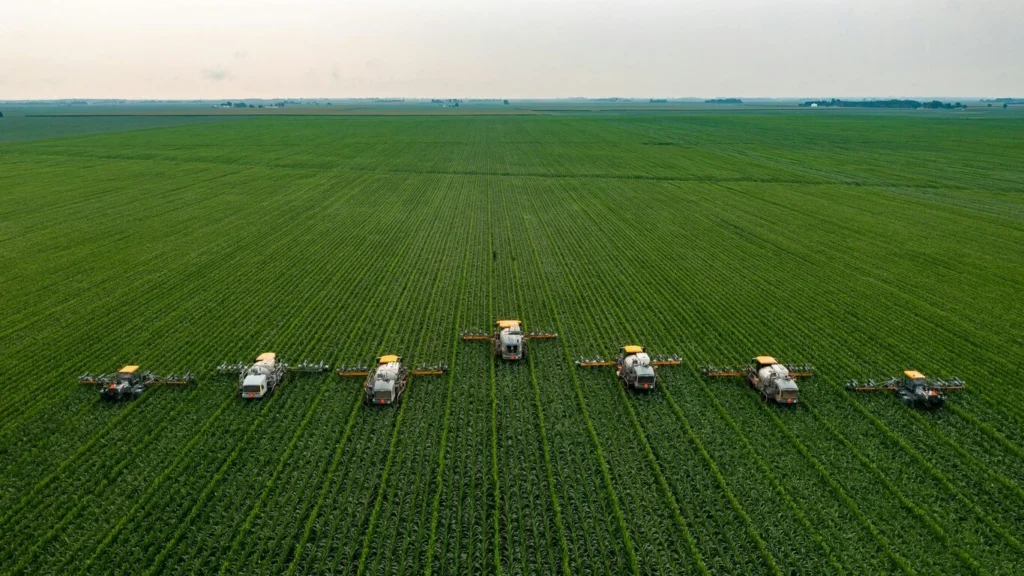
Rather than relying on single measurements, continuous monitoring highlights trends and variability within and across seasons. This helps farmers better time fertilizer application, avoid losses through leaching or volatilization, and match nutrient supply to crop demand. For many farmers, the biggest benefit is not higher yields, but reduced waste and more predictable results.
Over multiple seasons, this data also supports longer-term soil health strategies. Farmers and advisors can assess whether practices such as reduced tillage, organic amendments, or crop rotation are improving soil conditions, turning IoT data into a feedback mechanism for sustainable land management.
Using weather and field data to improve farm decision-making
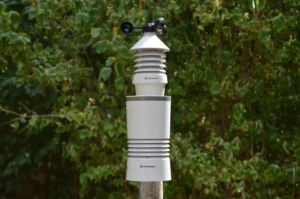
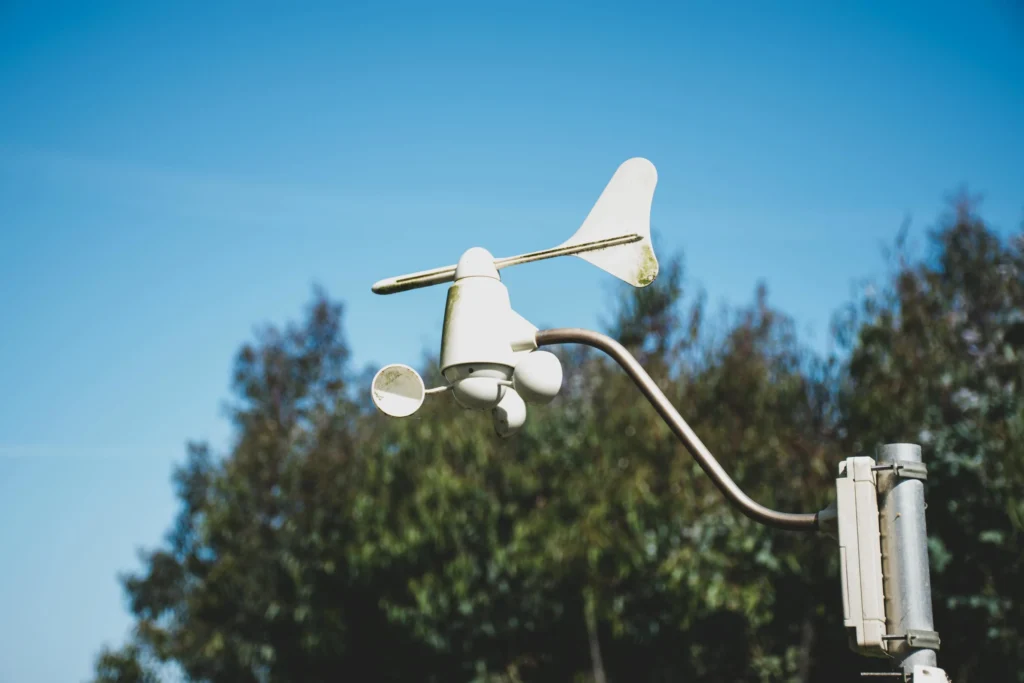
Localized weather data collected directly from farms is often more actionable than regional forecasts, especially in areas with high microclimatic variability. On-farm weather stations and field sensors capture conditions that directly affect crop growth, pest pressure, and field accessibility.
When farmers trust the accuracy and relevance of this data, they are more willing to adjust key decisions such as planting dates, spraying schedules, and labor allocation. For example, knowing that rainfall is likely within a specific window can delay irrigation or chemical application, reducing losses and improving effectiveness.
Over time, consistent use of localized weather and field data builds confidence and planning discipline. Rather than reacting to surprises, farmers begin to anticipate risks and opportunities, using data as a complement to experience. This shift, from reactive to proactive management, is where IoT delivers some of its most durable value.
Adoption challenges, costs, and lessons from real Kenyan case studies
Despite clear benefits, IoT adoption in Kenyan agriculture still faces structural and practical barriers. These challenges are not unique to Kenya, but they are amplified by local realities such as small farm sizes, limited rural infrastructure, and tight production margins. Understanding these constraints is critical for anyone looking to deploy solutions that move beyond short-term pilots and deliver sustained value at farm level.
Connectivity, maintenance, and skills gaps in rural areas
Intermittent connectivity remains one of the most common operational challenges for agricultural IoT in Kenya. Many farming regions experience inconsistent cellular coverage, network congestion, or complete outages during certain periods. Systems that rely on constant connectivity often fail to deliver reliable insights, leading to frustration and eventual abandonment by users.
Successful deployments are designed with these constraints in mind. This includes using communication protocols that tolerate data gaps, enabling local data storage on devices, and prioritizing simple, robust data transmission over high-frequency updates. Equally important is the ability to remotely diagnose issues, reducing the need for frequent on-site visits.
Skills and maintenance capacity are another major factor. Farmers are generally willing to engage with new technology, but only when adequate training and local support are available. Projects that invest in hands-on training, clear documentation, and partnerships with local technicians are far more likely to remain operational over multiple seasons.
Total cost of ownership vs. real farm-level returns
While sensor prices often receive the most attention, they represent only one part of the overall cost equation. Data connectivity, platform subscriptions, maintenance, calibration, and eventual hardware replacement all contribute to the total cost of ownership. Farmers and agribusinesses make adoption decisions based on this full cost, not just the initial purchase.
In practice, farmers adopt and retain IoT solutions when the return on investment is visible within one or two production cycles. This may come through reduced water use, lower input costs, avoided crop losses, or more stable yields. Solutions that depend on long-term, indirect benefits without short-term gains struggle to gain traction.
Clear communication around expected costs and benefits is therefore essential. When farmers understand what they are paying for, what value to expect, and over what timeframe, trust increases and adoption becomes more sustainable.
What successful Kenyan pilots and deployments have in common
Across different regions, crops, and farming systems, successful IoT deployments in Kenya share several consistent characteristics. First, they begin with a clearly defined problem that farmers themselves recognize as important, such as water scarcity, disease risk, or input inefficiency.
Second, farmers and local stakeholders are involved from the outset. Their feedback shapes system design, data presentation, and operational processes. This co-creation approach ensures that solutions fit local practices rather than forcing farmers to adapt to unfamiliar workflows.
Finally, successful projects maintain realistic expectations. They treat IoT as a decision-support tool rather than a replacement for agronomic knowledge or experience. By focusing on incremental improvements and long-term learning, these deployments are better positioned to scale and deliver lasting impact across Kenyan agriculture.
Do you want to adapt IoT into your farm?
If you are exploring how data and technology can support better farm decisions, IoT can be a practical starting point when applied with clear goals and realistic expectations. At Nuasense, we build IoT sensors designed specifically for agricultural environments, focusing on reliable data collection that helps farmers reduce unnecessary input use such as water, fertilizer, and chemicals. By turning field data into clear, actionable insights, our solutions support more efficient resource use and, over time, contribute to improved crop performance and higher, more stable yields.