Agriculture remains the foundation of Kenya’s economy, supporting the livelihoods of over 70% of the rural population and contributing roughly a third of national GDP. Yet an estimated 30–40% of annual crop production is lost to pests, diseases, and post-harvest damage — translating into billions of shillings in foregone income and deepening food insecurity across the country.
The challenge is not static. Climate change is pushing historically lowland pests into highland zones, accelerating insect breeding cycles, and creating conditions that favour new disease outbreaks. Invasive species like the fall armyworm and Tuta absoluta have arrived within the last decade, compounding threats that Kenyan farmers were already struggling to manage. Meanwhile, fungal diseases such as wheat rust and maize lethal necrosis continue to evolve faster than resistant varieties can be deployed.
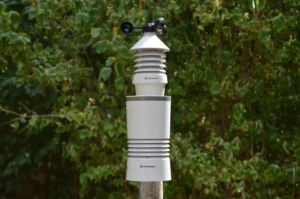
Understanding what these threats look like, how they behave, and what can be done about them is essential — whether you are a smallholder farmer in Trans-Nzoia, an extension officer in Kirinyaga, or a commercial grower in Naivasha. This guide provides a comprehensive overview of the most damaging pests and diseases across Kenya’s staple, cash, and horticultural crops, along with the management strategies and technologies that are making a measurable difference. Among these, environmental monitoring through soil and weather sensors — such as those developed by NuaSense — is emerging as a practical tool for early detection of the conditions that trigger pest and disease outbreaks before visible damage occurs.
Major insect pests affecting Kenyan Crops
Fall Armyworm and Stem Borers in Maize and Cereals
The fall armyworm (Spodoptera frugiperda) is arguably the single most economically significant pest to arrive in Kenya in the past decade. First detected in early 2017 after crossing from West Africa, it spread with extraordinary speed: within two years, 98% of surveyed farming communities had observed it, and 83% of maize farmers reported high infestation levels. Estimated losses reached roughly one million metric tonnes of maize in Kenya alone — approximately a third of the national crop.
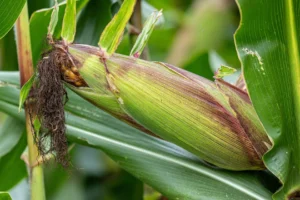
Identification is relatively straightforward once you know what to look for. Larvae feed inside the whorl of young maize plants, leaving irregular holes in leaves, a characteristic “window-paning” pattern where they scrape one leaf surface without fully penetrating it, and large amounts of moist frass (excrement) packed inside the whorl. Older larvae have an inverted Y-shaped marking on the head and four dark spots arranged in a square on the last abdominal segment. Damage to ears occurs later in the season and can be confused with earworm damage, though the frass quantity is typically much higher with fall armyworm.
What makes the fall armyworm particularly difficult to manage is its cryptic feeding behaviour. Larvae feed deep inside whorls and ears where contact insecticides struggle to reach them. Research across Kenya shows that while over 96% of affected farmers resort to chemical spraying, only about 27% report satisfactory results — partly due to poor targeting and partly due to growing insecticide resistance. The pest also has an enormous host range beyond maize, including sorghum, millet, rice, sugarcane, and various vegetables.
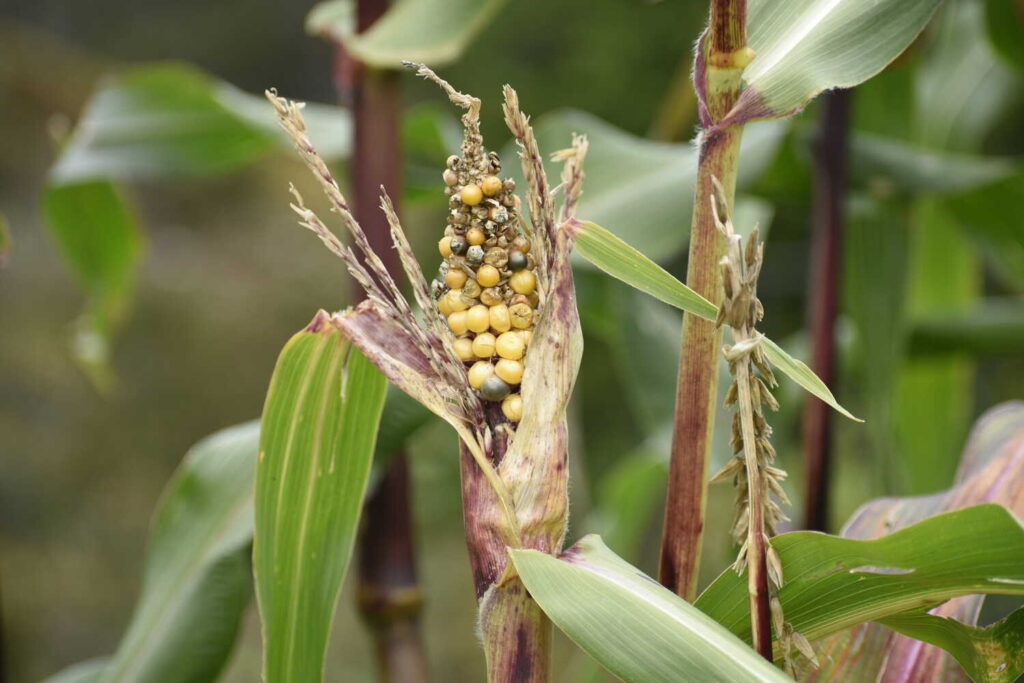
Before the fall armyworm arrived, stem borers were the primary insect threat to maize. Two species dominate in Kenya: the African stalk borer (Busseola fusca), which is most prevalent above 1,500 metres elevation, and the spotted stalk borer (Chilo partellus), which dominates in lowland and mid-altitude zones. Larvae bore into maize stems creating tunnels that cause “dead heart” in young plants (the central leaf whorl dies and can be pulled out easily), stem breakage, and reduced grain fill. Average yield losses range from 20–40% across Eastern Africa, and in severe cases — particularly when combined with the parasitic Striga weed — losses can approach 80–100%.
The most effective long-term management approach for both pests is ICIPE’s push-pull technology, developed over more than two decades of research. Desmodium planted between maize rows emits volatile compounds that repel stem borer and fall armyworm moths (“push”), while Brachiaria grass planted around field borders attracts and traps them (“pull”). Field trials demonstrated an 82.7% reduction in fall armyworm larvae per plant and 86.7% less plant damage. Approximately 350,000 smallholder farmers across 18 African countries now use the system, with most reporting three-to-four-fold yield increases. A climate-adapted version using drought-tolerant Greenleaf desmodium extends the system’s applicability into Kenya’s drier regions.
For farmers not yet using push-pull, practical interim measures include early planting to avoid peak moth flight periods, handpicking larvae from whorls in small fields, applying neem-based or Bt (Bacillus thuringiensis) biopesticides directly into whorls, and releasing indigenous parasitoid wasps such as Cotesia icipe and Telenomus remus, which ICIPE has been mass-releasing across five Kenyan counties since late 2020.
Tuta Absoluta, Fruit Flies, and Thrips in Horticultural Crops
Tomato production in Kenya has been fundamentally disrupted by Tuta absoluta, the South American tomato leaf miner, since its arrival around 2014. An estimated 98% of Kenyan tomato farmers experience attacks each season, and uncontrolled infestations routinely cause 80–100% yield loss. The economic toll is approximately 114,000 metric tonnes of lost production annually.
Tuta absoluta larvae create distinctive blotch-shaped mines in tomato leaves — irregular, translucent patches where the larva feeds between the upper and lower leaf surfaces. They also bore into stems and fruits, leaving small entry holes surrounded by frass. A single female can lay up to 260 eggs, and the pest completes its life cycle in as little as 30 days under warm conditions, meaning populations can explode within a single growing season. As with the fall armyworm, chemical control has proven largely inadequate: resistance to most conventional insecticide classes is well documented.
Integrated approaches are significantly more effective. Pheromone mass-trapping using delta traps reduces adult male populations and provides early warning of infestation pressure. Predatory mirid bugs (Macrolophus pygmaeus) have shown promise in greenhouse trials. Cultural practices such as crop rotation with non-solanaceous crops, removal and destruction of infested plant material, and the use of insect-proof netting on greenhouse vents all contribute to reducing pressure. Soil and weather monitoring can also play an important role here — platforms like NuaSense enable growers to track the temperature and humidity conditions that favour rapid Tuta absoluta population growth, allowing them to time interventions more precisely rather than spraying on fixed schedules.

Fruit flies — particularly the invasive oriental fruit fly (Bactrocera dorsalis), first detected in Kenya in 2003 — cause devastating losses in mangoes and avocados. In unmanaged mango orchards, losses of 60–90% are common. The pest also blocks access to lucrative export markets, as many importing countries enforce strict quarantine regulations. ICIPE has developed a comprehensive IPM package consisting of male annihilation traps with methyl eugenol, protein bait sprays, orchard sanitation using augmentoria (mesh tents where fallen fruit is placed so emerging parasitoids can escape but adult flies cannot), and releases of the parasitoid wasp Fopius arisanus, which can reduce fly populations by 33–65%.
Western flower thrips (Frankliniella occidentalis) are a major concern across Kenya’s horticultural and floriculture sectors. They damage flowers, tomatoes, onions, and French beans through direct feeding — causing silvering and scarring of petals and fruits — and by transmitting tospoviruses such as tomato spotted wilt virus. In Kenya’s cut flower industry, thrips are one of the most difficult pests to control due to their small size, their tendency to hide in tightly furled petals, and widespread insecticide resistance.
Desert Locusts, Quelea Birds, and Nematodes
Kenya experienced its worst desert locust invasion in 70 years beginning in December 2019, when immature swarms crossed from Somalia into the northeastern counties. By February 2020, 21 counties were affected. Individual swarms reached staggering dimensions — one was reported at 60 kilometres long and 40 kilometres wide. The invasion affected over 30,000 hectares of cropland and nearly 580,000 hectares of pasture, with the heaviest impact falling on pastoral communities in the arid and semi-arid lands.
The 2019–2021 outbreak was directly linked to climate anomalies. An extraordinarily strong positive Indian Ocean Dipole event in late 2019 produced heavy, prolonged rainfall across the Horn of Africa, creating ideal breeding conditions that multiplied locust populations several thousandfold. FAO coordinated a regional response that treated nearly 2.3 million hectares and averted an estimated 4.5 million tonnes of crop losses. Kenya has since published a five-year Strategic Management Plan for Migratory and Invasive Pests (2022–2027) to strengthen surveillance and rapid-response capacity.
The red-billed quelea (Quelea quelea), often called the world’s most abundant wild bird, is a chronic grain pest across Kenya’s cereal-growing regions. Flocks numbering in the millions can consume 10 tonnes of grain daily, devastating rice, wheat, sorghum, and millet fields during the critical grain-filling stage. Farmers in counties like Kisumu, Meru, Laikipia, and Uasin Gishu can suffer losses of up to 90% during the roughly one-month window when grain is vulnerable. Control remains controversial: the primary method is aerial spraying of roosting sites with avicides, which raises serious concerns about non-target wildlife.
Root-knot nematodes (Meloidogyne spp.) represent a less visible but economically significant threat across Kenya’s horticultural sector. These microscopic soil-dwelling worms attack the roots of tomatoes, potatoes, vegetables, roses, and coffee, causing characteristic galling (swollen knots on roots), stunting, wilting, and yield losses of up to 60%. Potato cyst nematodes were confirmed in Kenya for the first time in 2015 and have since spread to all major potato-growing areas. Because nematode damage occurs below ground, it is frequently misdiagnosed as nutrient deficiency or water stress. Soil testing is essential for accurate diagnosis, and continuous monitoring of soil conditions — including temperature and moisture, which directly influence nematode activity — helps growers anticipate and manage outbreaks more effectively.
Key Fungal and Bacterial Diseases Across Crop Categories
Maize Lethal Necrosis, Grey Leaf Spot, and Wheat Rust
Maize lethal necrosis disease (MLND) emerged in Kenya’s Bomet District in September 2011 and rapidly became one of the most damaging crop diseases in the country’s recent history. It is caused by the co-infection of two viruses — maize chlorotic mottle virus (MCMV) and sugarcane mosaic virus (SCMV) — transmitted by thrips, beetles, and aphids. Symptoms begin as fine chlorotic mottling on younger leaves, progressing to severe necrosis, stunted growth, premature drying of husks, and complete sterility of the tassel and ear. Plants infected at an early growth stage typically produce no harvestable grain at all.
The speed of the disease’s spread was alarming. By 2013, 76% of surveyed communities across Kenya’s maize belt had observed MLN, and aggregate national losses were estimated at 0.5 million tonnes valued at US$180 million — a 22% reduction in national maize production. More than 95% of the commercial maize varieties grown in Kenya at the time were susceptible. CIMMYT and KALRO responded by establishing a dedicated MLN Screening Facility at Naivasha, which has since tested thousands of lines and facilitated the release of MLN-tolerant hybrids. By 2018, the proportion of communities reporting MLN had dropped from 76% to 26%, though the disease remains present and requires ongoing vigilance.
Management relies on an integrated approach: planting certified disease-free seed of tolerant varieties, rotating maize with non-cereal crops for at least two seasons to break the virus cycle, controlling vector insects through seed dressing and foliar sprays, and uprooting and destroying infected plants to reduce inoculum sources.
Grey leaf spot, caused by the fungus Cercospora zeina, is another significant maize disease in Kenya, particularly in the humid western highlands around Trans-Nzoia and Kakamega. It produces distinctive rectangular, grey-tan lesions bounded by leaf veins, which reduce photosynthetic area and can cause 5–50% yield losses depending on severity. Resistant varieties are the most cost-effective management tool, supplemented by crop rotation and residue management to reduce fungal carryover between seasons.
Wheat rust poses an existential threat to Kenya’s wheat production and has global implications. The Ug99 strain of wheat stem rust (Puccinia graminis f. sp. tritici), first identified in Uganda in 1999 and detected in Kenya by 2001, can overcome the resistance genes protecting an estimated 80–90% of the world’s wheat varieties. Under favourable conditions, susceptible varieties can suffer complete crop failure. KALRO’s research station at Njoro serves as the world’s primary stem rust phenotyping platform, screening approximately 50,000 wheat lines annually from over 25 countries.
Yellow (stripe) rust compounds the problem in Kenya’s highland wheat areas around Njoro, Molo, and Narok, causing 30–80% yield losses. Since Kenya produces only about 14% of its domestic wheat consumption, rust-driven yield losses have direct implications for the national import bill, which exceeds US$650 million annually.
Coffee Berry Disease, Coffee Leaf Rust, and Tea Root Rot
Coffee berry disease (CBD), caused by the fungus Colletotrichum kahawae, remains the most economically important disease of Arabica coffee in Kenya. It is unique to the African continent and attacks green expanding berries during the rainy season, producing dark sunken lesions that lead to berry mummification and premature fruit drop. The disease thrives in cool, wet conditions typical of Kenya’s highland coffee zones between 1,500 and 2,100 metres. On susceptible varieties such as the traditional SL28 and SL34, chemical control through repeated fungicide applications costs approximately US$500 per hectare — representing 30–40% of total production costs and placing a severe financial burden on smallholder growers.
Kenya’s Coffee Research Institute (now part of KALRO) has been at the forefront of CBD resistance breeding for decades. The Ruiru 11 hybrid, released in 1985, carries resistance genes sourced from Rume Sudan and Hibrido de Timor donor parents. More recently, the Batian variety, released in 2010, combines CBD and leaf rust resistance with cup quality comparable to the classic SL28 and SL34 cultivars. Adoption of these resistant varieties is the most effective and economical long-term strategy, though it requires significant upfront investment in replanting.
Coffee leaf rust (Hemileia vastatrix) produces distinctive orange-yellow powdery pustules on the underside of leaves, leading to progressive defoliation, reduced photosynthetic capacity, and yield losses of up to 35% with cumulative effects across multiple seasons. The pathogen evolves rapidly: six races were identified in Kenya by 2012, with 22 additional races detected subsequently, underscoring the importance of continuous monitoring and breeding for durable resistance.
The coffee berry borer (Hypothenemus hampei) — while an insect rather than a disease — warrants mention alongside coffee diseases because of its severity and its relationship to changing environmental conditions. It is the only insect that completes its entire life cycle inside the coffee berry, boring into the endosperm and causing losses of up to 80% in heavily infested areas. Climate change is driving the pest to elevations 300 metres higher than a decade ago, threatening premium highland Arabica plantations that were previously considered safe. Shade-grown coffee systems have proven effective at keeping infestations below the 5% economic threshold by reducing ambient temperatures around the crop canopy.
Tea, Kenya’s largest agricultural export, faces a different disease profile. Contrary to what is sometimes reported, tea blister blight (Exobasidium vexans) has never been recorded in Africa — it remains an Asian disease. The most important tea disease in Kenya is Armillaria root rot (Armillaria heimii), a soil-borne fungal disease found across all surveyed tea-growing districts. It spreads through buried wood fragments and root residues, often originating from indigenous forest that was cleared for tea planting. Infected bushes show progressive canopy decline, yellowing, and death, and there is no effective chemical treatment once infection is established. Management is primarily preventive: thorough removal of woody debris before planting, use of healthy planting material, and prompt uprooting and destruction of infected bushes along with surrounding soil treatment. The red spider mite (Oligonychus coffeae) is the primary tea pest, causing up to 50% yield losses during prolonged dry spells.
Late Blight, Bacterial Wilt, and Anthracnose in Horticulture
Late blight (Phytophthora infestans) is one of the most destructive diseases in Kenya’s potato-growing highlands. The oomycete pathogen produces water-soaked dark lesions on leaves and stems that expand rapidly under cool, humid conditions, often destroying an entire field within days. In the major potato counties — Nyandarua, Meru, Nakuru, and Nyeri — losses range from 10% to complete crop failure depending on variety, weather conditions, and the timeliness of fungicide application. Many smallholder farmers cannot afford the multiple fungicide sprays required, and late application after symptoms appear is largely ineffective. Late blight also affects tomatoes, particularly during the cooler, wetter months.
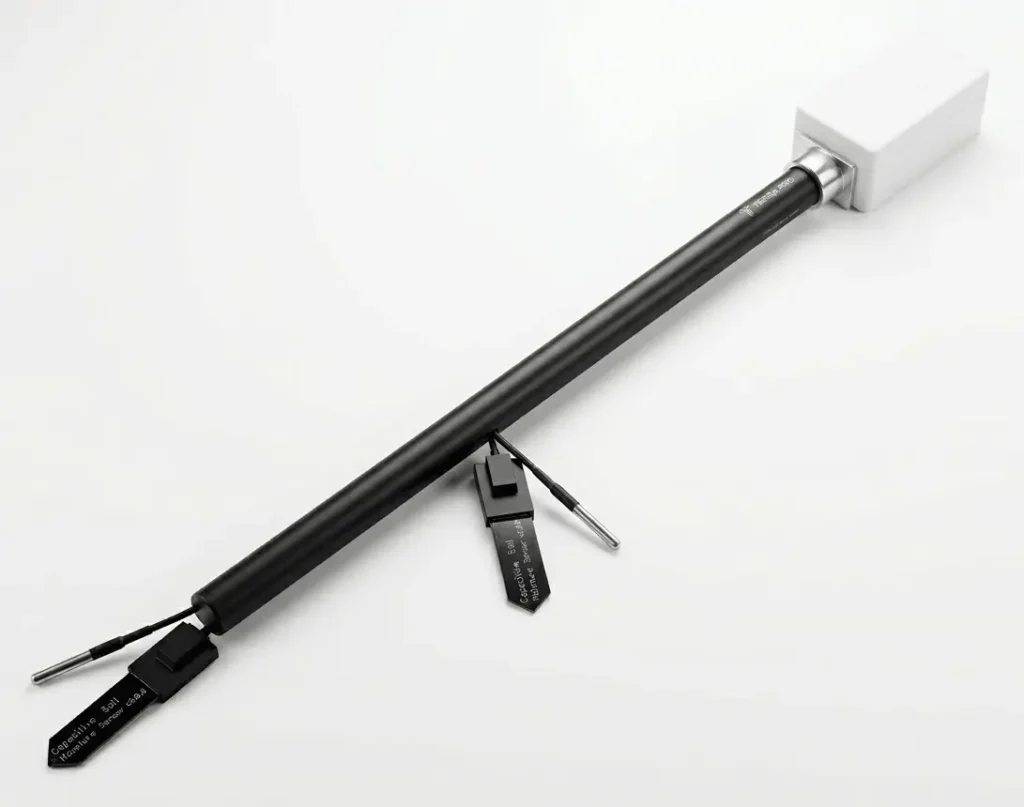
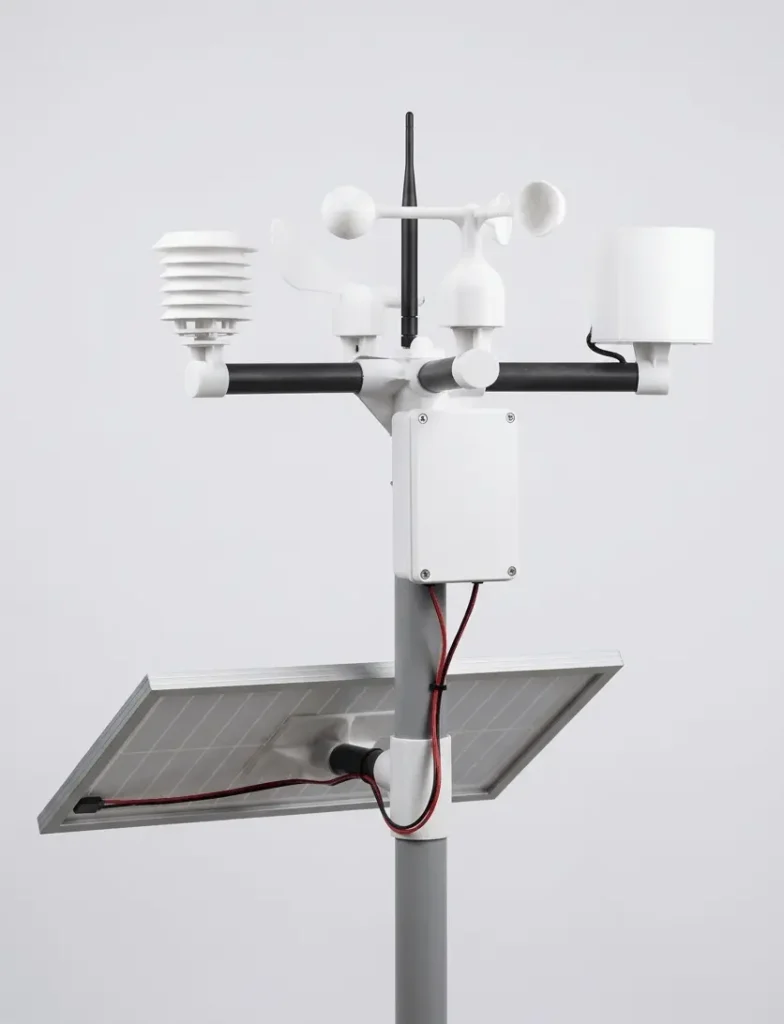
CIP (the International Potato Center) and KALRO are developing varieties with three stacked resistance genes (3-R-gene strategy) that can reduce fungicide requirements by at least 90%. In the meantime, practical management includes planting certified disease-free seed, choosing early-maturing varieties that escape peak disease pressure, and using protective fungicides (mancozeb, metalaxyl combinations) applied preventively before rainfall events. Because late blight development is tightly linked to weather conditions — specifically temperature between 10–25°C combined with leaf wetness duration exceeding 10 hours — real-time weather monitoring at field level is particularly valuable for timing fungicide applications. Solutions like NuaSense soil and weather sensors provide exactly this type of microclimate data, enabling growers to spray only when conditions genuinely favour infection rather than following calendar-based schedules that waste money and increase environmental load.
Bacterial wilt (Ralstonia solanacearum) is arguably a more intractable problem than late blight because no chemical treatment exists once the bacterium is established in soil. First reported in Kenya in 1945, it now affects over 77% of potato farms. The disease causes rapid wilting of entire plants, often starting with one side of the plant wilting during the heat of the day, followed by brown discolouration of vascular tissue visible when the stem is cut. The bacterium can survive in soil for decades, spread through contaminated seed tubers, irrigation water, and farm tools, and infect a wide range of solanaceous crops including tomatoes, peppers, and eggplant.
The central challenge is that only 41% of Kenyan farmers regularly renew their seed, and the informal seed system — where farmers save and exchange tubers — is the primary vector of spread. Management depends entirely on prevention: using clean certified seed, rotating with non-solanaceous crops for a minimum of 3–5 years, sterilising tools between fields, avoiding irrigation with water from contaminated sources, and uprooting infected plants along with surrounding soil.
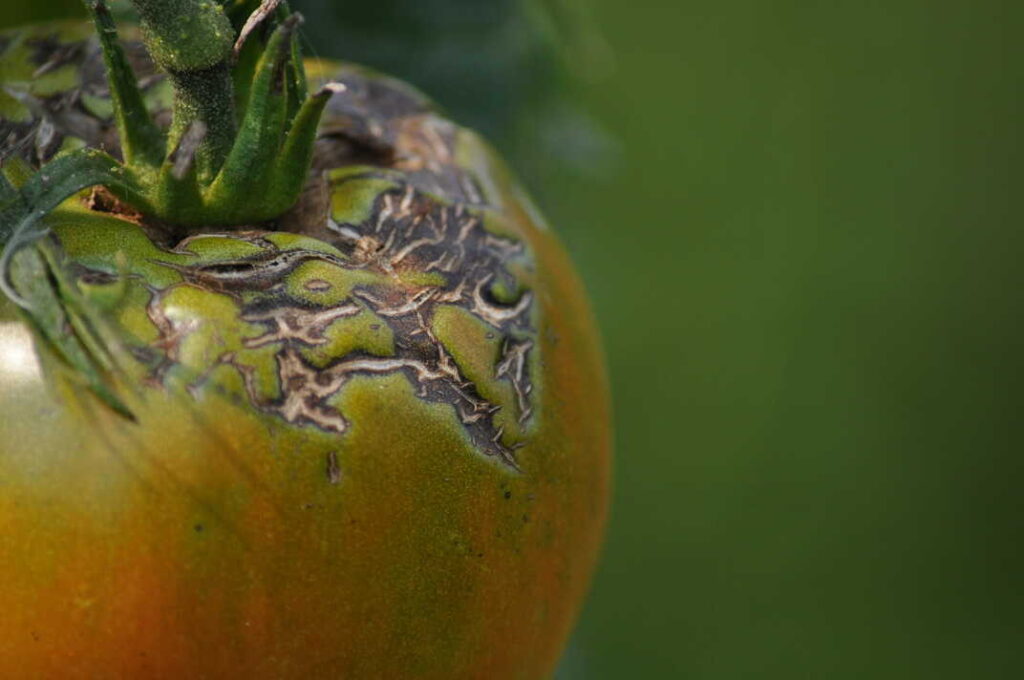
Anthracnose (Colletotrichum gloeosporioides) is the leading cause of post-harvest losses in avocados and mangoes across Kenya. In avocados — Kenya is Africa’s largest producer and the world’s sixth largest, with exports reaching US$159 million in 2024 — the disease causes sunken dark lesions and internal fruit rot that renders produce unmarketable. All major commercial varieties (Fuerte, Hass, Pinkerton) are susceptible, and an estimated 60% of Kenyan avocado production suffers quality damage from anthracnose. The fungus infects fruit in the field during the growing season but remains latent until after harvest, making it a post-harvest disease that must be managed pre-harvest. Key practices include maintaining open canopy architecture for air circulation, timely pre-harvest fungicide application (copper-based or thiophanate methyl), careful harvesting to minimise fruit wounding, and unbroken cold-chain management from field to market.
Post-Harvest Losses, Aflatoxin, and the Role of Climate Change
Storage Pests — Larger Grain Borer and Maize Weevil
The battle against crop losses does not end at harvest. Kenya loses an estimated 20–36% of its harvested maize to storage pests, equivalent to 4.5–8 million 90-kilogram bags annually — enough to feed the nation for over a month. Two insects are primarily responsible.
The larger grain borer (Prostephanus truncatus), an invasive beetle originally from Central America and first detected in Kenya in 1983, is the more destructive of the two. Adults and larvae bore through maize grain, producing large quantities of fine flour-like dust and causing 30–90% weight loss in unprotected stores within a few months. The insect also attacks dried cassava chips, making it a dual threat. The maize weevil (Sitophilus zeamais) is more widespread and adds roughly 21% annual losses on top of grain borer damage. Adult weevils are small (3–4 mm), dark brown to black, with a characteristic elongated snout. Infested grain develops a musty smell and visible bore holes.
Bean bruchids similarly devastate stored legumes, with losses reaching 49–70% in poorly managed storage. Given that beans are the primary protein source for millions of Kenyan households, these losses have direct nutritional consequences.
Traditional storage methods — open cribs, polypropylene bags, and unlined stores — offer little protection against these pests. Chemical treatments using synthetic dusts (Actellic Super, for example) are effective but raise concerns about food safety, proper dosage, and accessibility for remote smallholders.
Aflatoxin Contamination in Stored Grain
Aflatoxin contamination occupies a category of its own because it poses a direct and lethal threat to human health alongside the economic damage. Aflatoxins are toxic metabolites produced by Aspergillus flavus and A. parasiticus fungi that colonise maize, groundnuts, and other crops both in the field and in storage, particularly under hot, humid conditions with grain moisture content above 13%.
Kenya has experienced some of the worst acute aflatoxin poisoning events in recorded history. The 2004 outbreak in eastern Kenya — concentrated in Makueni, Kitui, and Machakos districts — resulted in 317 reported cases and 125 deaths, caused by consumption of heavily contaminated homegrown maize. Eastern Kenya remains chronically prone, with contamination levels frequently exceeding internationally accepted safety thresholds by orders of magnitude. Chronic exposure to lower aflatoxin levels is associated with liver cancer, immune suppression, and stunted growth in children — a largely invisible public health burden that affects millions.
Prevention centres on proper drying (below 13% moisture before storage), removal of damaged or discoloured kernels, and use of storage technologies that prevent further fungal growth. Biocontrol products using competitive non-toxigenic strains of A. flavus (Aflasafe-type products) are being piloted across East Africa and show significant promise for reducing contamination in the field.
How Climate Change Is Shifting Pest and Disease Patterns
Climate change functions as a threat multiplier across Kenyan agriculture, and its effects on pest and disease dynamics are already measurable. Since 1960, crop pests globally have been migrating poleward at an average rate of approximately 3 kilometres per year. In Kenya’s context, this translates primarily to upward elevation shifts: the coffee berry borer now occurs at elevations 300 metres higher than a decade ago, and pest pressure is intensifying in highland zones that were historically less affected.
Rising temperatures accelerate insect development cycles, potentially doubling or tripling the number of generations per year for species like the coffee berry borer — from roughly 5 generations to 10–16 under warming scenarios. Drought-stressed crops are more vulnerable to insect attack because they produce fewer defensive metabolites, while erratic rainfall patterns create the alternating wet-dry conditions that favour many fungal diseases.
The 2019–2021 desert locust invasion was itself a climate story. Indian Ocean warming produced an extraordinarily strong positive Indian Ocean Dipole event, which drove rainfall 400% above normal across the Horn of Africa and created the moist soil conditions that allowed locust populations to breed explosively. Scientific projections estimate that climate change could reduce Kenya’s maize yields by 25% by 2050 through the combined effects of heat stress, water scarcity, and intensified pest pressure. The country’s updated Nationally Determined Contribution to the Paris Agreement acknowledged that adverse climate events caused 3–5% of GDP in annual losses between 2010 and 2020.
These trends underscore the growing importance of climate-responsive farming practices: heat-tolerant and short-duration crop varieties, conservation agriculture, adjusted planting calendars, and continuous environmental monitoring that allows farmers to anticipate rather than react to pest and disease events.
Management Strategies and Emerging Solutions
Integrated Pest Management, Push-Pull Technology, and Biocontrol
The evidence from decades of agricultural research in Kenya points consistently toward integrated pest management (IPM) as the most effective and sustainable approach to crop protection. IPM does not mean abandoning chemical control — it means placing chemical use within a broader framework of resistant varieties, biological control, cultural practices, and monitoring, so that pesticides are used judiciously rather than reflexively.
Push-pull technology, discussed earlier, stands as perhaps the most successful IPM system developed anywhere in the tropics. A single intervention simultaneously addresses stem borers, fall armyworm, and the parasitic Striga weed while improving soil nitrogen through desmodium’s nitrogen-fixing properties and providing valuable livestock fodder from both desmodium and Brachiaria. The economics are compelling: input costs are minimal after initial establishment, and yield increases of three-to-four-fold are consistently documented.
Biological control is expanding rapidly in Kenya. ICIPE has commercialised several biopesticide products through its Real-IPM spin-off company, including formulations based on entomopathogenic fungi (Metarhizium anisopliae, Beauveria bassiana) that target a range of pests from fruit flies to nematodes. Around Lake Naivasha, three biocontrol companies — Dudutech, Koppert Kenya, and Real-IPM — supply the flower industry with predatory mites, parasitoid wasps, and microbial products. These approaches are not niche alternatives: some of Kenya’s largest and most commercially successful flower farms rely primarily on biological control for their pest management, driven by the stringent EU regulations on pesticide residues.
For cereal farmers, the parasitoid wasps Cotesia icipe and Telenomus remus are being mass-released for fall armyworm biocontrol, with field parasitism rates increasing by 38–55% in release areas. Trichogramma egg parasitoids offer similar potential for stem borer management. As these biological control agents establish in the landscape, they provide ongoing, self-sustaining pest suppression at no cost to the farmer — a fundamentally different economic model from repeated insecticide purchases.
Resistant Varieties, Clean Seed Systems, and Hermetic Storage
Resistant crop varieties are the most cost-effective tool available for disease management, and Kenya has benefited enormously from the work of KALRO, CIMMYT, CIP, and other breeding programmes. Key examples include the MLN-tolerant maize hybrids released since 2013, the Ug99-resistant wheat varieties screened at KALRO-Njoro, the CBD and leaf rust-resistant coffee varieties Ruiru 11 and Batian, and the 3-R-gene late blight-resistant potato lines under development. The challenge is adoption speed: getting improved varieties from research stations into farmers’ fields at scale takes years, and seed systems — particularly for vegetatively propagated crops like potatoes — remain a weak link.
The informal seed system is a primary vector for several of Kenya’s most damaging diseases, including bacterial wilt in potatoes, MLN in maize, and ratoon stunting disease in sugarcane. Strengthening clean certified seed production, improving farmer access through decentralised seed multiplier networks, and enforcing phytosanitary standards through KEPHIS are all essential interventions.
Hermetic storage has proven transformative for post-harvest pest management. Metal silos promoted by CIMMYT and PICS (Purdue Improved Crop Storage) triple-layer bags kill storage insects by oxygen depletion — without any chemicals. Research in Kenya demonstrates that hermetic storage reduces grain losses to less than 1%, compared with 20–36% in traditional storage. The AgResults Kenya On-Farm Storage Challenge estimated that hermetic storage of marketed grain averts KES 1.4–2.3 billion in losses annually. Despite this, adoption remains at only around 16% of farming households, constrained by upfront cost, awareness, and availability in remote areas. Scaling hermetic storage adoption is one of the highest-return investments available in Kenyan agriculture.
Digital Tools, AI Diagnostics, and Institutional Support in Kenya
Technology is increasingly reaching Kenyan farmers in practical, accessible forms. PlantVillage Nuru, an AI-powered mobile application developed in partnership with IITA and CIMMYT, identifies crop diseases from smartphone photographs with approximately 98% accuracy. Critically, it works entirely offline — an essential feature given that only 22% of rural Kenyan households have reliable internet access. By 2024, the app had reached 50,000 farmers in the Rift Valley and Eastern regions.
CABI’s PRISE (Pest Risk Information Service) system uses satellite data and climate models to forecast pest surges weeks in advance, delivering actionable SMS alerts to farmers. In Kenya, 59% of participating farmers reported changing their pest management practices based on PRISE recommendations. During the locust crisis, the PlantVillage team built the eLocust3m app in two weeks, which went on to account for 70–90% of locust observations submitted in Kenya.
Drone technology is also gaining traction. Operators like Fahari Aviation can cover up to 400 hectares daily for precision spraying, reducing agrochemical usage by up to 45% and reaching terrain that ground-based sprayers cannot. The government’s Kenya Climate Smart Agriculture Project (KCSAP) has supported multiple agritech innovators including UjuziKilimo for real-time soil testing and SunCulture for solar-powered irrigation.
Kenya’s institutional ecosystem for agricultural research and regulation is among the strongest in sub-Saharan Africa. KALRO operates critical research stations including the MLN screening facility at Naivasha and the wheat rust phenotyping platform at Njoro. ICIPE, headquartered in Nairobi, has produced globally significant innovations in biological pest control. KEPHIS manages phytosanitary compliance, seed certification, and variety testing, while the Pest Control Products Board oversees pesticide registration and regulation. These institutions provide the scientific foundation, but the persistent gap between research output and farmer adoption remains Kenya’s greatest agricultural challenge.
Closing that gap requires investment in extension services, rural digital infrastructure, farmer training, and the kind of affordable, field-level monitoring tools that allow individual growers to make data-informed decisions. The trajectory is encouraging: from push-pull fields in western Kenya to AI-equipped smartphones in the Rift Valley to sensor-equipped farms tracking soil and weather conditions in real time, Kenyan agriculture is building the knowledge systems needed to confront a growing and shifting array of biological threats.