Beans are Kenya’s second most important food crop after maize. Over 1.5 million smallholder farmers grow them, and yet national yields remain stuck at around 0.6–0.7 tonnes per hectare — less than half of what’s possible with improved practices. That gap is not bad news. It’s an opportunity. Whether you’re farming a quarter acre in Machakos or ten acres in Nakuru, this guide walks you through the practical steps to grow beans profitably — from picking the right variety to selling at the best price.
Beans are also nutritional powerhouses. They deliver 20–28% protein per serving, making them the cheapest cholesterol-free protein available to most Kenyan households. And because they fix nitrogen in the soil through their roots, they improve fertility for your next crop — a big deal if you rotate with maize or potatoes.
Choosing the right bean variety for your region
Getting a good harvest starts long before you put a seed in the ground. It starts with picking a variety that matches your altitude, rainfall, and local disease pressure. Planting a highland variety in a semi-arid lowland almost guarantees failure — no amount of good farming can fix the wrong genetics.
Best varieties for highland, midland, and lowland zones
Kenya has over 40 released bean varieties, each bred for specific conditions (KALRO TIMPs).
Highlands above 1,500m (Nyandarua, Nakuru, Bomet, Kericho, Nandi, parts of Meru and Bungoma): Go with Rosecoco GLP 2, which yields 1.8–2.0 t/ha and resists anthracnose and BCMV. If your land is small, consider climbing beans like Kenya Mavuno or Kenya Tamu — they produce two to four times more per unit area than bush types because they grow upwards instead of outwards. In western highlands where root rot is a problem (Kakamega, Vihiga, Kisii), plant KK 8, KK 15, or KK Red 16.
Midlands between 1,000–1,500m (Embu, parts of Meru, Machakos, Kiambu, Murang’a, Narok): Excellent choices include Mwitemania (drought tolerant), Nyota (biofortified with high iron and zinc, matures in 65–70 days), and KATRAM (drought tolerant, resistant to bean rust and angular leaf spot).
Arid and semi-arid lands (Kitui, Makueni, Tharaka Nithi, drier parts of Machakos): You need varieties that escape drought — meaning they flower fast and mature before the rains end. KAT B1 (locally known as Katheka) matures in just 60–65 days. KAT B9, KAT X56, and Kenya Mali are also strong performers. For coastal lowlands below 1,000m, Wairimu Dwarf handles the heat well.
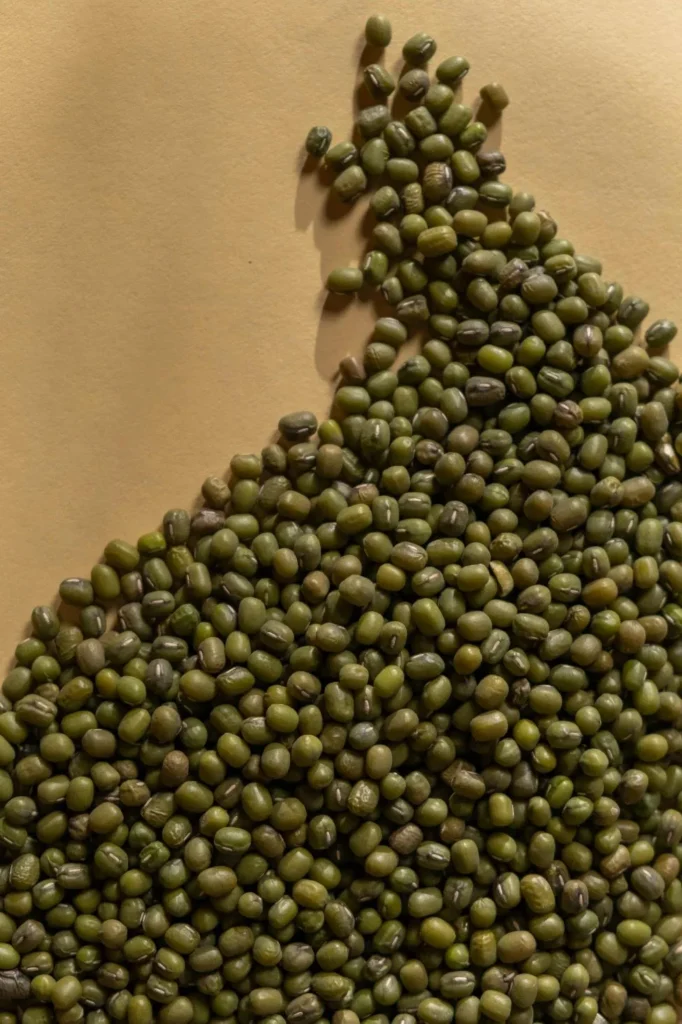
Early-maturing varieties for dry areas
If you farm in an area where rains are short and unreliable, maturity speed is everything. An extra two weeks of growth could mean the difference between a harvest and a total loss. Focus on varieties that complete their cycle in 60–75 days: KAT B1, KAT B9, KAT X56, Mwezi Moja, and KATRAM. These varieties are specifically bred to flower within 30 days and fill pods quickly before soil moisture runs out.
The biofortified variety Nyota, developed through KALRO and CIAT collaboration, performs well in zones receiving 750–1,000mm annual rainfall and offers the added benefit of higher nutritional value — a selling point with health-conscious buyers and institutional markets.
Where to buy certified seed in Kenya
Always buy KEPHIS-certified seed. Using recycled seed for too many seasons leads to yield decline, disease buildup, and inconsistent maturity. Buy fresh certified seed at least every 2–3 seasons.
Reliable sources include Kenya Seed Company (Tel: 054-231909), Simlaw Seeds, East African Seed, Dryland Seed Company (specialising in ASAL varieties), and Leldet Seeds. Always check for the KEPHIS label and scratch-off authentication code on every packet. One Acre Fund (Tupande) also supplies certified seeds on credit through their 330 local shops across Kenya.
Preparing your soil and planting at the right time
Good soil preparation is the foundation of a healthy bean crop. Rushing this step — or skipping soil testing — is one of the most common and costly mistakes farmers make.
Soil testing and land preparation steps
Start land preparation 2–4 weeks before expected rains. Plough to 20–30cm depth, then harrow to a fine, crumbly seedbed free of large clods. Beans hate waterlogging, so ensure good drainage — use raised beds in wetter areas and furrows in drier areas to concentrate moisture.
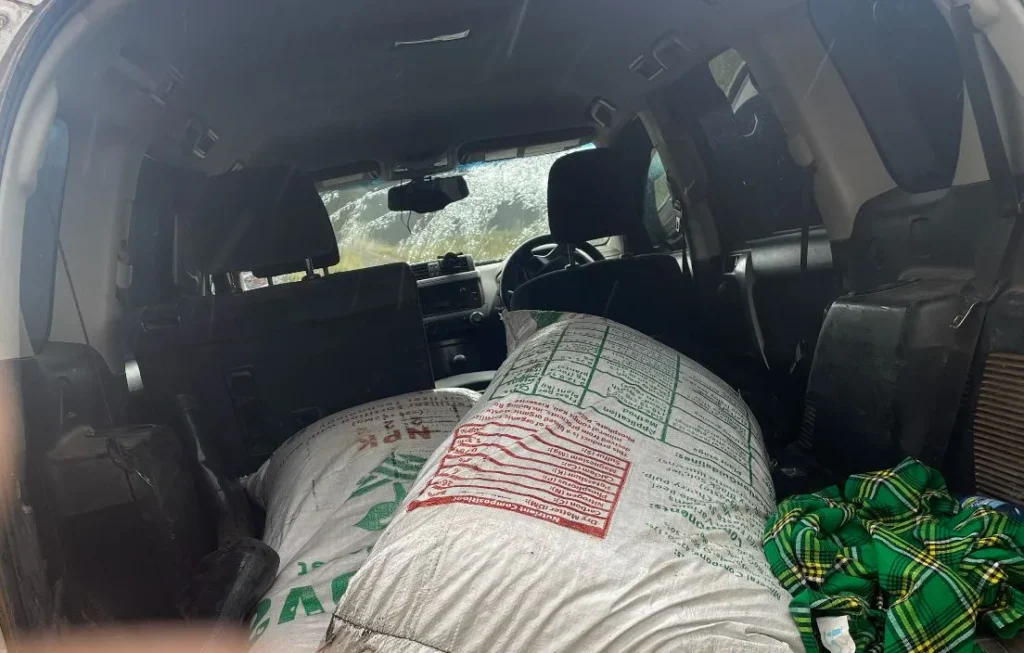
Before you apply any fertilizer, get your soil tested. Around 80% of Kenya’s soils are phosphorus-deficient, and in western Kenya, soil acidity is a widespread problem — in Kisii and Nyamira counties, 100% of cultivated land has a pH below 5.5 (Tropical and Subtropical Agroecosystems). Without liming, bean yields in acidic soils will stay poor no matter what else you do. Apply 1.6–4.0 tonnes of agricultural lime per hectare based on test results, at least 3–6 months before planting.
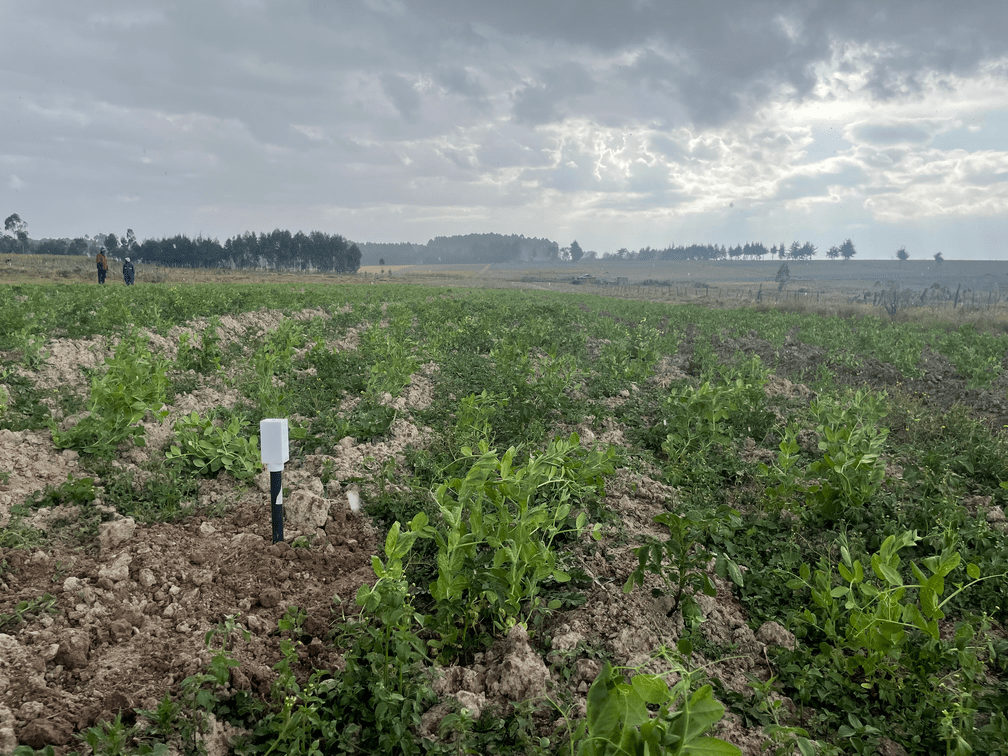
Soil testing is available at KALRO labs (around KSh 2,500 per sample), KEFRI labs, CropNuts, and through One Acre Fund’s local shops. This is also where smart-sensing technology can make a real difference. NuaSense soil sensors continuously measure soil moisture and soil temperature, giving you a real-time picture of your field conditions without waiting weeks for lab results. Knowing exactly when your soil has enough moisture to support germination — rather than guessing — can mean the difference between strong, even emergence and patchy stands that underperform all season.
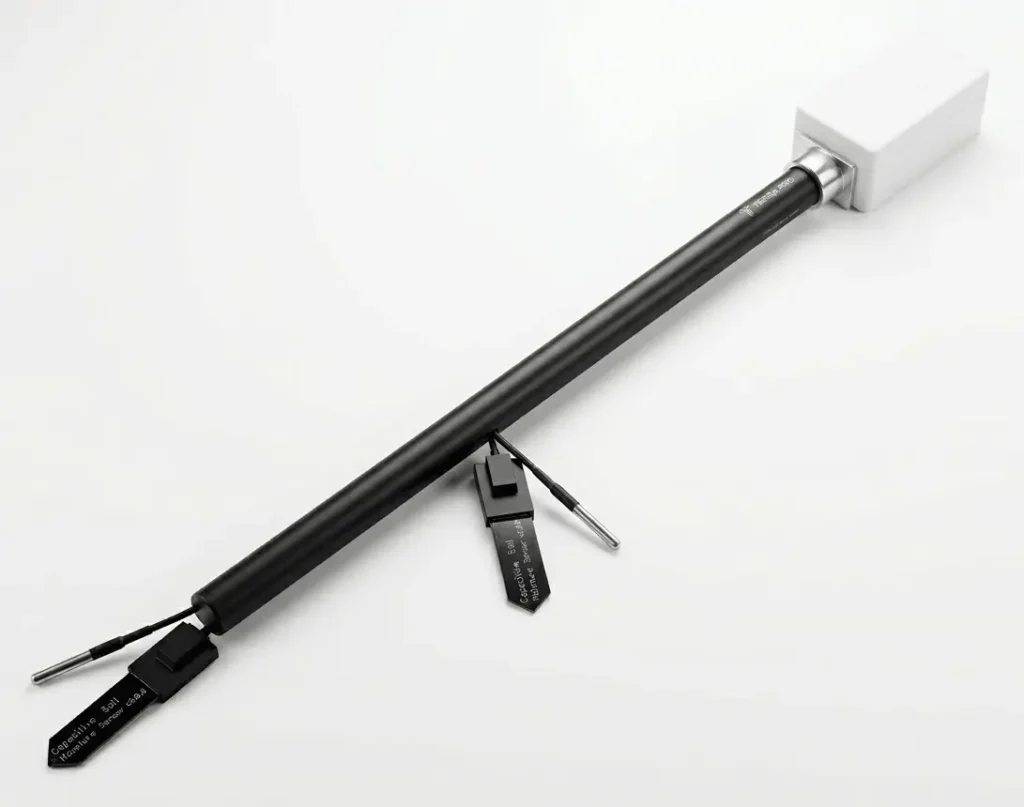
At planting, apply 50 kg of DAP per acre in the planting furrow and mix thoroughly with soil before placing seed. Direct seed-to-fertilizer contact burns germinating seeds. If using well-decomposed farmyard manure, apply 6–8 tonnes per acre mixed into furrows one week before sowing.
Planting seasons, spacing, and seed rates
Kenya’s bean calendar follows two rainy seasons. During the long rains (March–May), plant at onset — typically mid-March to early April in central highlands, early March in western Kenya. During the short rains (October–December), plant at onset, usually mid-October. The golden rule: plant within the first week of reliable rains. Even one week late significantly reduces yields.
For bush beans in monocrop, KALRO recommends 50cm between rows and 10cm between plants, one seed per station, 4–5cm deep. Large-seeded varieties like Rosecoco need 25–30 kg of seed per acre; small-seeded types like Mwezi Moja need 16–20 kg per acre.
Before planting, dress your seeds with a systemic insecticide like Imidacloprid (Gaucho FS 350) at 3ml per kg to protect against bean fly — the most destructive early-season pest. Skipping this step leaves seedlings completely defenseless during their most vulnerable weeks.
Intercropping beans with maize
Intercropping beans with maize is widespread in Kenya and makes excellent use of limited land. Plant maize at its recommended spacing, then sow two bean rows between each pair of maize rows at 15cm within-row spacing. Plant beans at the same time as maize or at maize emergence — late bean planting under an established maize canopy dramatically cuts yields.
One practical tip: avoid intercropping yellow beans with maize. The shade causes yellow beans to lose their golden colour and turn whitish, which reduces their market value significantly. If you’re growing for the premium yellow bean market, plant them as a monocrop.
For a deeper look at maize agronomy, see our full guide on growing maize in Kenya.
Protecting your beans crop from pests, diseases, and weeds
Beans face serious threats from insects, fungal diseases, and weed competition. The good news is that most losses are preventable with timely action. The bad news is that “timely” usually means within a very narrow window — miss it and the damage is done.
Controlling bean fly and other common pests
Bean fly (Ophiomyia spp.) is the number one pest of beans in Kenya. The tiny metallic bluish-black fly lays eggs on emerging leaves. Larvae tunnel into the stem, causing swelling near the soil line. Young seedlings wilt and die; older plants become permanently stunted. Yield loss can reach 100% in severe infestations, especially in infertile soils during dry spells (Greenlife Crop Protection).
Control starts with seed dressing before planting. After emergence, earth up soil around plant bases at 2–3 weeks to encourage adventitious root development. Mulching also helps. If foliar sprays are needed, use Diazinon or Acephate.
Black bean aphids suck sap from leaves and — more dangerously — spread Bean Common Mosaic Virus. They thrive during warm, dry conditions. Conserve natural enemies like ladybird beetles by avoiding broad-spectrum insecticides and spot-spray only infested areas.
Bruchids (bean weevils) attack during storage rather than in the field. We cover storage solutions in the next section.
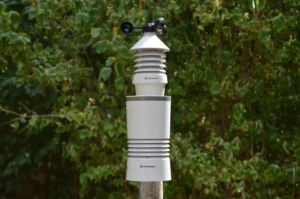
This is another area where technology pays for itself. NuaSense weather sensors track air temperature, humidity, rainfall, wind, and sunlight — the exact environmental variables that drive pest population explosions. When conditions shift toward the warm-and-dry pattern that favours aphid outbreaks, or the humid conditions that trigger fungal diseases, you can act before the damage starts rather than reacting after it’s visible. For a broader overview of pest and disease pressures in Kenya, check out our guide on crop pests and diseases in Kenya.
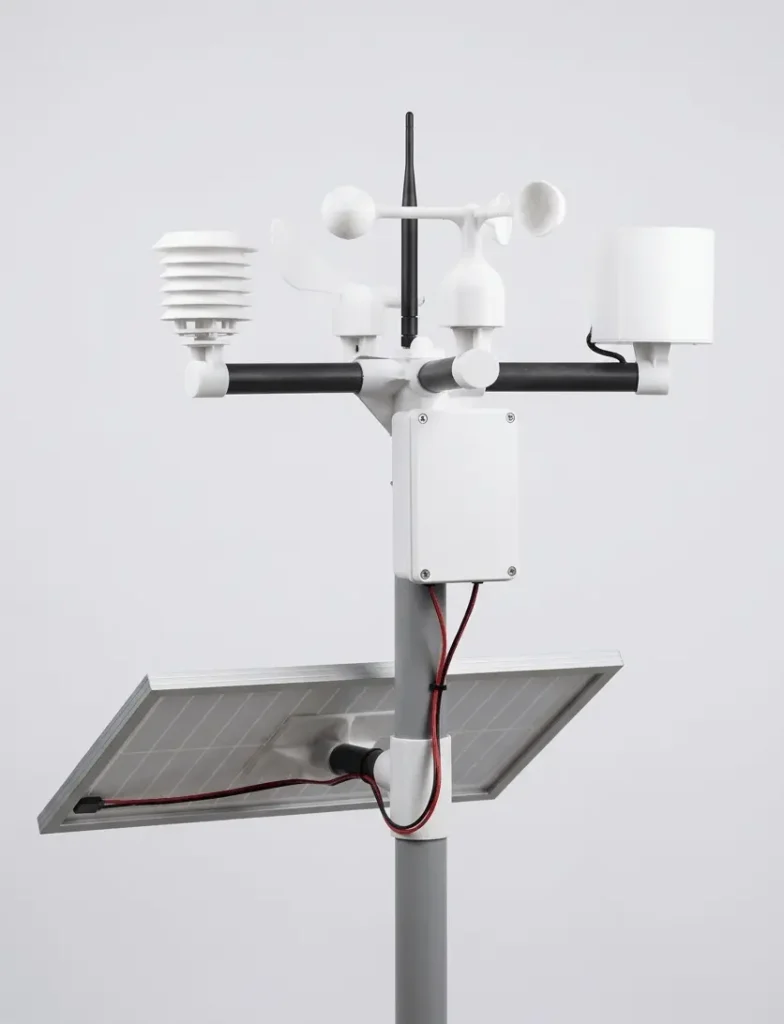
Preventing angular leaf spot, rust, and root rot
Angular leaf spot is one of the most widespread bean diseases in Kenya. It produces grey-brown spots bounded by leaf veins and thrives at around 25°C with alternating wet and dry conditions. Severe cases trigger early leaf drop and produce shrivelled, discoloured seeds. Use resistant varieties like KATRAM or Angaza, rotate with cereals for at least four seasons, and apply fungicides like Azoxystrobin + Difenoconazole at 10–14 day intervals if the disease appears.
Bean rust shows up as reddish-brown powdery pustules on leaf undersides during humid weather at 16–24°C. Resistant varieties include KAT X56 and New Mwezi Moja. Copper-based fungicides or Propiconazole work for chemical control.
Root rots caused by Pythium, Fusarium, and Rhizoctonia are devastating in western Kenya’s poorly drained, acidic soils — losses can hit 70–100%. The fix is improving drainage, applying lime, planting resistant varieties (KK 8, KK Red 16), and rotating with cereals for at least three years.
Bean Common Mosaic Virus spreads through infected seed and aphid vectors. There is no chemical cure. The only controls are planting certified virus-free seed, using resistant varieties, controlling aphids, and immediately removing and destroying infected plants.
Weed management during the first six weeks
Weeds during the first 2–6 weeks can cut your yield by up to 50%. Beans are naturally poor competitors, so the first weeding window is non-negotiable.
Complete the first weeding within 2–3 weeks after emergence using a hand hoe — carefully, because bean roots are shallow. Do a second weeding about three weeks later, just before flowering. Once flowering starts, stop using hoes entirely. Mechanical disturbance during flowering causes flower abortion and spreads disease. Hand-pull any remaining weeds only.
For chemical control, a pre-emergence application of pendimethalin on moist soil 2–3 days after sowing controls many broadleaf and grass weeds. Post-emergence, bentazone (BeansClean 480SL) kills broadleaf weeds while remaining safe on beans. Mulching with crop residues after the first weeding suppresses later weed flushes and conserves moisture — a double benefit.
Harvesting, storage, and selling beans for profit
Getting a good crop out of the field is only half the battle. Poor post-harvest handling and bad timing on sales can wipe out months of hard work.
When and how to harvest beans for minimum losses
Harvest when all pods have turned yellow to brown, leaves have dried, and the plant is no longer actively growing. A quick field test: drop a dry bean on hard ground — it should crack loudly. Early types like KAT B1 mature in 60–75 days; mid-season varieties like Rosecoco and Nyota take 75–90 days; climbing beans can need 90–150 days.
Harvest during dry weather. Uproot entire plants and pile them on tarpaulins for further drying. Harvesting too late causes pods to shatter, with field losses of 10–15%. If rains arrive unexpectedly during harvest season, uproot plants and hang them indoors to continue drying.
Thresh by placing dried plants in jute bags and beating gently with sticks — avoid cracking seeds. Winnow to remove chaff, then hand-sort to remove stones, broken grains, and insect-damaged beans. Clean, uniform-grade beans command premium prices.
Using hermetic bags to prevent storage damage
Kenya loses roughly 30% of food produced after harvest, and bruchid damage alone can destroy 20–30% of stored beans within six months in ordinary bags (KALRO GAPs).
First, dry beans to 12–13% moisture content. Spread them on clean tarpaulins in the sun for 3–5 days, turning frequently. To test: bite a bean — it should crack cleanly without being brittle.
Then store in hermetic (airtight) bags. PICS bags — triple-layered bags that create a low-oxygen environment — kill insects within days and cost only KSh 250–400 per bag. They’re manufactured locally by Bell Industries Kenya and widely available at agro-dealers. Fill the innermost liner, push out excess air, tie with a goose-neck knot, repeat with the second liner, and close the outer bag. Store in a cool, dry place away from rodents. Do not apply chemical treatments inside hermetic bags — the airtight seal itself is the control mechanism. PICS bags last 3+ seasons with proper handling.
For non-hermetic storage, treat beans with Actellic Super Dust at 50g per 90kg bag. This protects for up to six months.
Timing your sales to get the best price
Bean prices follow a predictable seasonal cycle. They are lowest right after harvest — July–August for long rains, January–February for short rains — when everyone floods the market. Prices peak during planting seasons and lean months: February–April and September–November. The gap between low and peak prices can be 30–60%.
The maths is simple. A PICS bag costs KSh 250–400. Storing beans for 2–4 months and selling during the peak can add KSh 2,000–5,000 per bag in revenue. That’s a return of 500–2,000% on the cost of the bag alone.
Current wholesale prices vary by variety: yellow beans lead at KSh 125–150 per kg, Rosecoco at KSh 90–130 per kg, Mwitemania around KSh 106–110 per kg, and Nyayo at KSh 66–100 per kg. Track live prices through KAMIS (kamis.kilimo.go.ke) or Betta Grains (bettagrains.com) before deciding when and where to sell.
For selling channels, cooperatives offer collective bargaining power, institutions (schools, hospitals, WFP) buy in bulk, and digital platforms like DigiFarm’s DigiSoko (dial *283#) connect you directly to large buyers including Bidco, Unga Group, and Capwell Industries.
Making smarter decisions with better data
One theme runs through every section of this guide: timing matters enormously in bean farming. The right planting week, the right weeding window, the right harvest day, the right selling month — getting these right is often worth more than any single input you buy.
This is exactly where NuaSense fits in. Our smart sensors give you continuous, real-time field data — soil moisture and temperature from our soil sensors, plus air temperature, rainfall, wind direction and strength, humidity, air pressure, and sunlight from our weather sensors. Instead of relying on regional forecasts or gut feel, you know precisely what’s happening on your specific farm. That means you can optimise irrigation timing so beans get water exactly when they need it during flowering and pod fill, fine-tune fertilizer applications based on actual soil conditions rather than calendar schedules, and spot the environmental triggers for pest and disease outbreaks before damage appears.
For farmers growing herbs, maize, or potatoes alongside beans, the same sensors serve multiple crops — one investment, multiple returns.
Bean farming in Kenya is not complicated. It requires five things done well: the right variety for your zone, certified dressed seed planted on time with phosphorus fertilizer, aggressive early weeding, proper drying, and hermetic storage timed for peak-price sales. A farmer who follows these steps can realistically earn KSh 70,000–160,000 per acre per season — turning beans from a subsistence crop into a genuine business.
Interested? Get in touch!