Kenya is an agricultural nation at its core. The sector employs over 70% of the rural workforce, contributes roughly 22.5% of GDP, and accounts for about 65% of total export earnings. Yet for all its importance, farming in Kenya remains overwhelmingly dependent on rainfall — with 98% of cropland still rainfed as of 2025. That single fact makes planting timing the most consequential decision a Kenyan farmer faces each year.
Get it right, and a smallholder in Bungoma harvests 30 bags of maize per acre. Get it wrong by just two or three weeks, and that same farmer watches seedlings wither before they tassel. The margin for error has always been thin in Kenyan agriculture, but climate change is making it thinner. Seasonal onset dates are shifting. Rainfall totals are declining in some regions and intensifying in others. The old rules — “plant in mid-March, always” — no longer hold with the certainty they once did.
This guide is built to help you navigate that uncertainty. It breaks down Kenya’s planting calendars by season, by region, and by crop, drawing on the latest data from KALRO, the Kenya Meteorological Department (KMD), the Kenya National Bureau of Statistics, and USDA agricultural reports through 2025. Whether you farm a quarter-acre kitchen garden in Kiambu, manage a 50-acre commercial maize operation in Trans-Nzoia, or are exploring dryland farming opportunities in Kitui, the information below will help you plan your seasons with greater precision and confidence.
Understanding Kenya’s rainy seasons and how they shape planting cycles
Everything in Kenyan agriculture starts with rain. Unlike temperate countries where farmers think in terms of spring, summer, autumn, and winter, Kenyan farmers think in terms of wet and dry. The entire farming calendar — from land preparation to planting, weeding, and harvest — revolves around two rainy windows created by a meteorological phenomenon called the Inter-Tropical Convergence Zone (ITCZ).
The ITCZ is a belt of low atmospheric pressure near the equator where trade winds from the northern and southern hemispheres collide, forcing warm, moist air upward and producing heavy rainfall. Because Kenya straddles the equator, the ITCZ passes over the country twice each year — once as it migrates northward (March to May) and once as it returns southward (October to December). These two passages create the bimodal rainfall pattern that governs most of Kenya’s agriculture.
Understanding the character of each season — when it starts, how long it lasts, how much rain it delivers, and how reliable it is — forms the foundation of every planting decision.
The long rains (March–May): Kenya’s primary planting window
The long rains, known locally as the MAM season, are traditionally the most important planting period across Kenya. This is when the majority of maize, beans, potatoes, and other staple crops go into the ground. For most farming regions, the long rains deliver more total rainfall than the short rains, and the growing window is longer.
Onset and timing vary significantly by region. In the Lake Victoria Basin, Rift Valley highlands, and Central Kenya, the rains typically begin arriving in the second to third week of March. The coastal strip and northeastern regions see true onset a bit later — usually late March to early April. Peak rainfall for most of the country hits in April, when Nairobi averages 136–160 mm and the Central Highlands can exceed 200 mm. By late May, rainfall tapers off and the long dry season (June–September) sets in across most of the country.
For farmers, the practical implication is clear: land preparation must be complete by late February at the latest. This means ploughing, harrowing, and applying basal fertiliser should all be done before the first meaningful rains arrive. The goal is to plant within the first two weeks of reliable rainfall onset — after the soil has absorbed 20–30 mm of cumulative rain within a few days, confirming that the season has genuinely begun rather than delivering a false start.
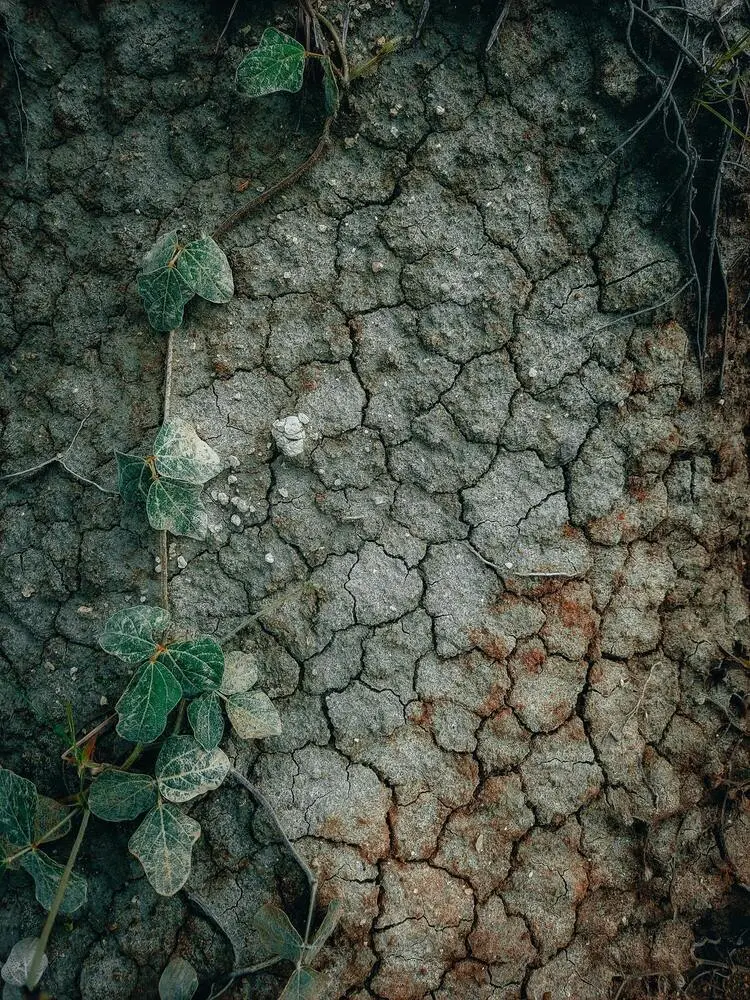
Planting too early into a brief shower that is followed by a dry spell is one of the most common and costly mistakes. The seed germinates, the seedling emerges, and then it dies from moisture stress before the real rains arrive. Equally damaging is planting too late: if you delay by three weeks, your crop’s critical grain-filling stage may coincide with the end of the rains, dramatically reducing yields.
The western highlands are a notable exception to the bimodal pattern. Areas above 2,000 m in Trans-Nzoia, Uasin Gishu, Nandi, and Kericho receive what is effectively a single extended rainy season stretching from March through August or even September. Monthly rainfall stays at 100–200 mm even in July and August, when most of the rest of Kenya is dry. This makes these counties Kenya’s breadbasket, responsible for over half the nation’s maize production on a single growing cycle. Highland farmers plant in March–April and harvest from October through December.
If you are farming maize in these highland zones, understanding the specific variety requirements and spacing for your altitude band is critical. Long-duration varieties like H614D and H6213 need the full 145–180 day window that the extended season provides. For medium-altitude areas where the season is shorter, WH507 and similar 120–140 day varieties are more appropriate. For a detailed walkthrough of maize farming by region, including seed rates, fertiliser programmes, and pest management, see our complete guide to growing maize in Kenya.
The short rains (October–December): An increasingly vital season
The short rains — the OND season — begin in late October across most of the country and peak in November. Total seasonal rainfall ranges from 230 to 650 mm depending on location, which is typically 30–40% less than the long rains deliver. The growing window is also shorter, usually wrapping up by mid-December or early January, which limits the range of crops that can be planted.
Historically, many Kenyan farmers treated the short rains as secondary — a bonus season for quick-maturing crops rather than the main event. But that hierarchy is shifting, and for good reason.
In eastern and coastal Kenya, the short rains have become the more reliable season. Scientific observations show that while the long rains have been declining significantly since the 1970s, the short rains have held steadier and in some areas even increased. For farmers in Machakos, Kitui, Makueni, and parts of the coastal strip, the October–December window now delivers more consistent moisture than March–May. This is a fundamental shift that should change how these farmers allocate their resources and which season they prioritise.
The short rains are strongly influenced by two ocean-atmosphere phenomena: the El Niño–Southern Oscillation (ENSO) and the Indian Ocean Dipole (IOD). When El Niño conditions develop in the Pacific, Kenya typically receives above-normal short rains — sometimes dramatically so. When La Niña conditions prevail, the short rains are often suppressed. Monitoring ENSO forecasts (available from KMD and international agencies like IRI Columbia) gives farmers a 3–6 month heads-up on what the coming short rains season might look like.
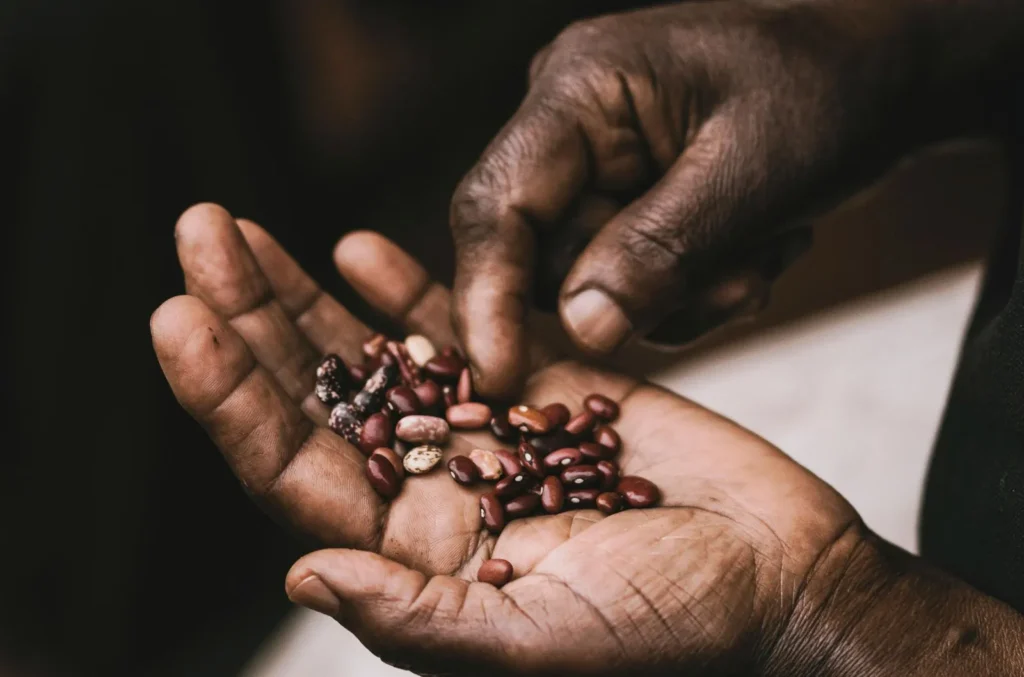
Quick-maturing crops are ideally suited to this season. Beans (60–90 days depending on variety) are one of the most flexible options — they deliver both household protein and market income within a single short rains cycle. KALRO’s KAT-B1 (Kathika) variety matures in just 60–65 days and handles drought well, while Rose Coco (GLP2) takes 86–90 days and resists anthracnose. Green grams (60–75 days), cowpeas (60–90 days), and pigeon peas (90–150 days for early varieties) are other strong choices.
Beans deserve special attention because they are one of Kenya’s most important food security crops, grown by millions of households across the country. Getting variety selection, spacing, and disease management right makes a significant difference in yield. For detailed guidance, see our guide to growing beans in Kenya.
How El Niño, La Niña, and climate change are shifting traditional planting dates
If there is one message every Kenyan farmer needs to absorb, it is this: traditional planting dates are becoming less reliable with each passing decade. The climate is changing, and agriculture must change with it.
The numbers are sobering. Kenya’s mean annual temperature has risen approximately 1.5°C over the past fifty years. Rainfall across the country has declined by roughly 21 mm per decade since 1979. But the picture is not uniform — the changes hit different regions and seasons in different ways, which makes blanket advice dangerous.
The long rains have suffered the most dramatic decline. Central Kenya has lost over 100 mm of MAM rainfall since the mid-1970s — a phenomenon scientists call the “East African climate paradox,” because global climate models actually predicted that East Africa would get wetter, not drier, with rising global temperatures. The discrepancy between models and reality means that farmers cannot assume future seasons will resemble past averages. Seasonal and intraseasonal rainfall variability has also increased significantly, particularly after 2013, meaning that even within a single season the distribution of rain has become more erratic — bursts of heavy rain separated by dry spells, rather than steady, well-distributed moisture.
El Niño and La Niña events amplify this variability enormously. During El Niño years, the short rains can deliver 110–200% of their long-term average, as happened in late 2023. Eastern Kenya in particular received exceptional rainfall, boosting crop production in areas that had been drought-stressed for years. But the same El Niño brought devastating floods — the 2023/24 event affected 42 of Kenya’s 47 counties, destroyed over 47,000 acres of cropland, displaced hundreds of thousands of people, and damaged critical infrastructure including roads and irrigation canals.
La Niña delivers the opposite blow. The 2020–2023 “triple-dip” La Niña — one of the longest on record — produced five consecutive failed rainy seasons in the Horn of Africa. In Kenya, it was the worst drought in over 40 years. An estimated 2.6 million livestock died. Maize and bean prices rose 60–90% above five-year averages. At its peak, 6.4 million Kenyans required humanitarian food assistance. Even by late 2025, roughly 2.15 million people in ASAL counties still needed support.
These are not rare events. ENSO cycles occur every 2–7 years, and climate change may be intensifying their impacts. A temperature rise of just 2°C would render large areas currently suited for tea production — supporting an industry that employs 7 million people — unsuitable for the crop.
What does this mean in practical terms for the farmer preparing for next season?
First, stop relying exclusively on the calendar. “We always plant on March 15th” is no longer safe. Instead, use the KMD seasonal forecasts released before each season at meteo.go.ke as your starting framework, then adjust based on what actually happens on the ground.
Second, monitor actual conditions in your field, not regional averages. A KMD county-level forecast tells you that “above-normal rainfall is expected” — but it cannot tell you whether your specific shamba received 15 mm last night or whether your soil at 20 cm depth has enough moisture for germination. That level of precision requires on-farm measurement.
This is where technology makes a tangible difference. A weather station installed on or near your farm tracks the variables that matter most — air temperature, rainfall, wind direction, wind strength, humidity, air pressure, and sunlight — giving you a hyper-local picture of conditions that a regional forecast simply cannot match. Paired with soil sensors that measure soil moisture and soil temperature at root depth in real time, you can identify the precise day your soil crosses the moisture threshold needed for germination. No guesswork. No relying on how the surface looks after yesterday’s shower.
Companies like NuaSense are making this kind of precision farming accessible to Kenyan farmers across the scale spectrum — from smallholders who need to make every planting decision count, to commercial operations where optimising timing across hundreds of acres directly impacts the bottom line. The same sensor data that tells you when to plant also feeds into irrigation scheduling, fertiliser timing, and pest risk monitoring throughout the season. It is not a luxury tool; it is becoming a necessity as the climate becomes less predictable.
Third, build flexibility into your crop plan. If onset is delayed, have a shorter-duration variety ready as a backup. If conditions look favourable, plant your full-season variety. This kind of adaptive planning — adjusting variety, timing, and acreage based on real-time conditions rather than fixed tradition — is what separates the farmers who thrive from those who merely survive in an era of climate uncertainty.
Planting calendars by region: What to grow where in Kenya
Kenya’s agricultural diversity is extraordinary. Within a single day’s drive, you can pass from snow-capped peaks to tropical coastline, from lush tea estates receiving 2,000 mm of rain annually to semi-desert pasturelands where 250 mm in a good year is considered generous. This diversity creates enormous opportunity — Kenya can grow an astonishing range of crops — but it also means that advice relevant in one county may be useless or even harmful in another.
The sections below break Kenya into its major agricultural zones, covering the altitude, rainfall, soils, and specific planting windows for each.
Highland zones — central Kenya, Rift Valley, and western Kenya
Central highlands (Nyeri, Murang’a, Kiambu, Kirinyaga, Nyandarua)
The Central Highlands sit at 1,200–4,000 m elevation and receive 1,000–2,000 mm of rainfall annually in a clear bimodal pattern. The soils here are among Kenya’s best — deep, fertile nitisols (volcanic red soils) with high clay content that stores moisture well between rains. The combination of altitude, reliable rainfall, and good soils has made this region the heartland of Kenya’s coffee industry (it produces roughly 60% of the nation’s coffee) and the leading zone for Irish potatoes and dairy farming.
However, soil acidity is a widespread issue, with pH often falling below 5.5, which limits nutrient availability — particularly phosphorus. Liming is recommended before planting, and regular soil testing should guide fertiliser decisions rather than applying standard blanket rates.

The planting calendar here follows the classic bimodal rhythm:
Long rains season (March–May): Maize and beans are planted in March to early April and harvested July–August. The most common approach is intercropping — planting beans between maize rows to take advantage of nitrogen fixation. Irish potatoes in Nyandarua (Kenya’s largest producer) are planted February–March and harvested by June–July. The dominant potato variety, Shangi, matures in roughly 90 days and produces prolifically, though its short shelf life is a disadvantage for farmers far from markets. KALRO’s newer Clone IG-70 reportedly yields 320 bags per acre with improved drought and blight resistance.
If you are farming potatoes in these highland zones, proper seed selection, disease management (particularly late blight during wet spells), and post-harvest handling are crucial for profitability. Our guide to growing potatoes in Kenya covers all of these in detail.
Short rains season (October–December): A second planting of maize and beans goes in during October–November and is harvested January–February. This season is typically shorter and yields are somewhat lower, but it provides a critical second harvest for household food security and income.
Perennial cash crops follow their own rhythms. Coffee harvesting peaks October–December (the main crop, accounting for 60–70% of annual production), with a smaller “fly crop” in April–July. Tea at elevations above 1,800 m is harvested year-round, with plucking every 7–14 days throughout the year. Peak quality typically comes during the cooler, drier months of February–March.
The upper highlands above 2,000 m (Nyandarua plateau, upper Nyeri, parts of Laikipia) face frost risk in June–August that limits the crop range to cold-tolerant species: potatoes, garden peas, cabbages, carrots, onions, wheat, barley, and pyrethrum. Maize can be grown but requires cold-tolerant varieties and accepts lower yields.
Rift Valley
The Rift Valley’s agricultural character varies dramatically with altitude — from the semi-arid valley floor at Baringo (~1,000 m, 600 mm rainfall) to the lush highlands of Nakuru, Molo, and the Mau escarpment (up to 2,970 m, 1,000–1,900 mm). This variation creates distinct sub-zones that require very different approaches.
The highland plateaus of Uasin Gishu, Trans-Nzoia, and Nakuru form Kenya’s commercial farming heartland, responsible for over 50% of national maize production and nearly all commercial wheat. These areas benefit from the extended unimodal rainfall pattern described above (March–September), fertile volcanic andosols, and relatively flat terrain suitable for mechanisation.
Highland maize varieties take the full season: plant in March–April, harvest October–December. Trans-Nzoia County alone produces more maize than many entire countries in East Africa. Wheat is planted February–April on large mechanised farms in Narok (the leading wheat county), Nakuru, and Uasin Gishu, with harvest running August–November. Kenya produced 310,973 MT of wheat in 2024 — but this covered only 19.6% of the 2.25 million MT consumed domestically, requiring massive imports.
Around Lake Naivasha at 1,884 m, a unique microclimate has created Africa’s flower capital. The combination of volcanic soils, consistent equatorial sunlight (12 hours year-round), altitude-moderated temperatures (22–28°C days, 10–15°C nights), and abundant freshwater from the lake enables year-round rose production in greenhouses. The Naivasha area produces roughly 70% of Kenya’s cut flowers and is a major employer.
The lower Rift Valley (Baringo, Marigat, parts of Kajiado) is semi-arid and more suited to drought-tolerant crops, irrigated agriculture, and livestock. The Perkerra Irrigation Scheme at Marigat produces watermelons, chillies, onions, and seed maize using water from the Perkerra River.
Western Kenya (Kakamega, Bungoma, Busia, Vihiga)
This region receives some of Kenya’s highest rainfall — 1,250–2,214 mm annually in Kakamega — with rain falling in nearly every month of the year. The soils, however, are a challenge: acrisols and ferralsols that are deeply weathered, highly leached, and low in nutrient retention. Without consistent fertilisation, yields decline rapidly.
Sugarcane is the dominant cash crop, covering over 27,000 hectares in Bungoma alone. It is planted during the long rains (March–May) and takes 14–24 months to reach first harvest, with subsequent ratoon harvests every 14–16 months. KALRO’s KEN 83-737 variety matures in 16–18 months, while Nigeria CO945 yields approximately 35 tonnes per acre.
Medium-altitude maize varieties (WH507, H624) are planted March–April for July–August harvest, with a second crop in August–September harvested December–January. The extended rainfall makes this double-cropping possible, but the region faces extreme population pressure — Vihiga County exceeds 1,000 people per km² — resulting in tiny farm sizes averaging 0.4–1.0 hectares and necessitating intensive intercropping of maize with beans, sweet potatoes, and finger millet.
Lake Victoria basin and Nyanza: From maize fields to rice paddies
The Nyanza region offers two quite different farming environments. The lakeside lowlands around Kisumu, Homa Bay, and Siaya (1,130–1,400 m, warm, 900–1,300 mm annually) are flat, humid, and characterised by heavy vertisols — the black cotton soils that crack deeply when dry and become waterlogged when wet. These soils are difficult to work but potentially very productive when managed well. They are particularly suited for rice, sorghum, and cotton.
The Kano Plains south of Kisumu represent one of Kenya’s most significant agricultural frontiers. Irrigated rice at the Ahero and West Kano schemes (combined approximately 13,000 acres) produces two crops per year and is expanding. This matters enormously because Kenya imports roughly 80% of the rice it consumes, spending approximately Ksh 23 billion annually on rice imports. Every additional hectare of domestic rice production directly reduces that deficit and strengthens food security.
Rice at Ahero follows a specific calendar tied to irrigation cycles: the main crop is transplanted in July–August and harvested November–December, while a second crop goes in around January and is harvested by May. Basmati 370 (Pishori) takes about 140 days and commands premium prices for its aroma and quality. The newer Komboka variety, developed by KALRO, matures in just 110–120 days and shows good drought tolerance, making it viable for supplementary-irrigated rather than fully flooded systems.
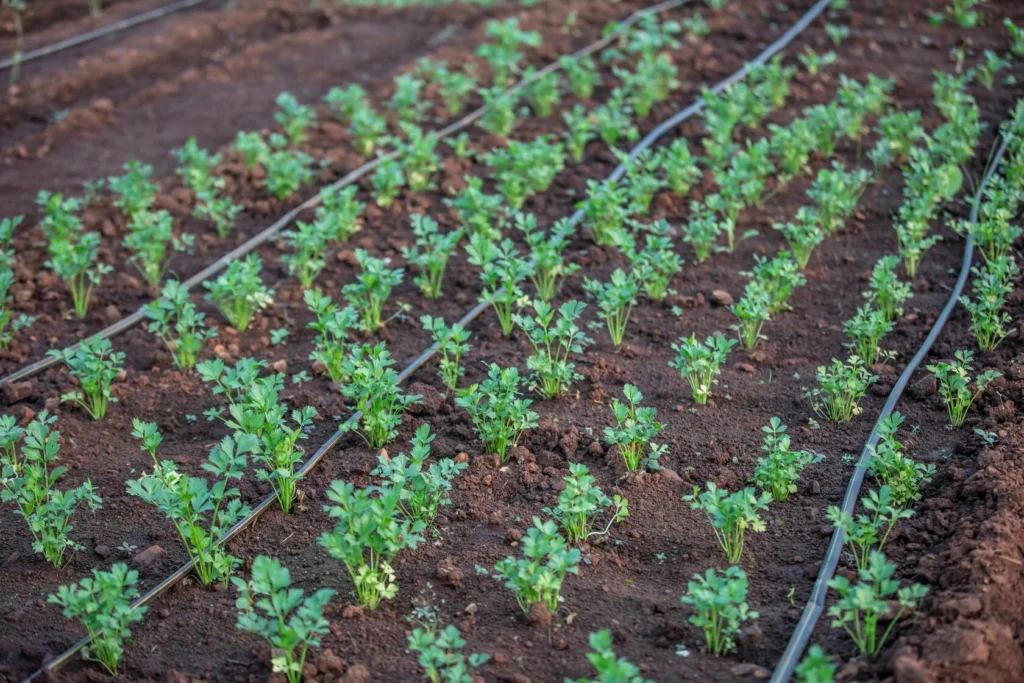
Lowland dryland crops — sorghum, groundnuts, cotton, and maize — follow the bimodal calendar: plant February–April for the long rains and September–October for the short rains. Homa Bay County accounts for approximately 27% of national groundnut production and is also expanding rice cultivation on previously idle land along seasonal river floodplains.
The Kisii and Nyamira highlands (1,500–2,200 m, roughly 1,500 mm rainfall) are a completely different world — cooler, wetter, and intensively farmed. Deep volcanic nitisols support tea, coffee, maize, beans, bananas, and Irish potatoes on the standard bimodal planting schedule. Farm sizes are small (often under 0.5 hectares) and virtually every piece of land is cultivated, with bananas and napier grass occupying boundaries and steep slopes.
Eastern Kenya, the coast, and ASAL regions: Farming in low-rainfall areas
Upper Eastern (Meru, Embu, Tharaka-Nithi)
These counties benefit from Mt. Kenya’s orographic rainfall — moist air from the Indian Ocean is forced upward by the mountain, condensing into reliable rainfall of 900–1,500 mm on the windward slopes. Fertile volcanic humic nitisols support a diverse agricultural economy including coffee, tea, miraa (khat), macadamia, and a wide range of vegetables.
The standard bimodal planting schedule applies: March–April and October–November. Coffee and tea follow the same patterns as the Central Highlands. Macadamia deserves special mention — Kenya is the world’s third-largest producer at 42,562 MT, and much of that production comes from Embu, Meru, and Murang’a. Trees thrive at 1,500–1,850 m with 1,000–1,500 mm rainfall, flower during dry seasons, and are harvested February–June. A mature tree yields approximately 100 kg of nuts annually for 40–60 years, making macadamia one of the best long-term investments available to highland farmers.
Lower eastern — Ukambani (Machakos, Kitui, Makueni)
This is where farming gets genuinely difficult. Rainfall ranges from just 300 to 1,000 mm and is highly erratic — a single heavy storm can deliver half the season’s total in one week, followed by weeks of nothing. Crop failure rates reach 80–100% in drier sub-counties during poor seasons. Soils are generally shallow, low in organic matter, and prone to crusting and erosion.
Yet millions of people farm here, and those who understand the local dynamics can be surprisingly productive. The key insight is that the short rains (OND) are the primary planting season in Ukambani, not the long rains. The October–December window delivers more reliable moisture in this region, and the crop calendar is built around it.
Drought-tolerant crops dominate: pigeon peas are the most important legume, planted in October and harvested February–March for early-maturing varieties like KALRO’s Mituki (about 120 days). Some farmers plant at the onset of long rains for a longer-duration harvest. Green grams (ndengu) mature in just 60–75 days, tolerate heat and low moisture well, and fetch premium prices. Sorghum’s Gadam variety needs only 300 mm of seasonal rainfall and matures in about 90 days. Cowpeas are another reliable performer. Drought-tolerant maize composites (DH01–DH04) can produce a reasonable harvest with under 350 mm of seasonal rainfall, though yields are modest compared to highland zones.
Mangoes are the major cash crop in lower Eastern Kenya, harvested November–February. Makueni County alone hosts over 4.31 million mango trees, and the crop is transforming household incomes — particularly as processing facilities like the Makueni fruit processing plant add local value.
In this environment, knowing your exact soil moisture level before committing seed to the ground is not a luxury — it is the difference between a harvest and a total loss. The surface may look damp after a shower, but if the soil at 15–20 cm depth has not accumulated enough moisture, germination will fail. NuaSense soil sensors measure moisture at root depth continuously, giving farmers in Ukambani and other dryland areas the confidence that conditions are genuinely ready for planting. This single piece of information — available on your phone in real time — can prevent the most expensive mistake dryland farmers make: planting into false starts.
Coastal region (Kilifi, Kwale, Taita-Taveta, Tana River)
The coastal strip (0–450 m elevation, 800–1,300 mm annually) follows a slightly later planting calendar driven by the Indian Ocean monsoons rather than the ITCZ alone. The southeast monsoon (kusi) delivers the long rains from April through June — a month later than the interior — peaking in May at roughly 235 mm in Mombasa. The short rains arrive October–November, as in most of the country.
Soils along the coast are generally sandy and coral-based, low in nutrients and organic matter, with poor water retention. However, they drain well and suit tree crops that can send roots deep to access moisture.
Cashew nuts are the traditional coastal cash crop, planted April–June on an estimated 57,000 acres. Coconut palms are ubiquitous and productive year-round. Cassava is the staple food crop — tolerating poor soils and erratic rainfall, it takes 8–12 months to maturity and serves as both food and income. Mangoes are another major coastal crop, harvested November–February.
The Tana River corridor is increasingly important for irrigated agriculture. The Tana Delta Irrigation Project, commissioned in 2023, targets 3,000 hectares of rice and 16,000 hectares of sugarcane. The Hola and Bura irrigation schemes use river water for maize, rice (Komboka variety), and cotton. In early 2026, the Bura scheme signed an agreement targeting 50,000 acres of sugar production, signalling serious investment in the region’s agricultural future.
ASAL Regions (Turkana, Marsabit, Garissa, Wajir, Mandera, Isiolo)
The Arid and Semi-Arid Lands make up roughly 80% of Kenya’s total land area but receive under 500 mm of highly erratic rainfall. Both rainy seasons frequently fail — the 2021–2023 drought saw five consecutive failed seasons, the worst in over 40 years. Livestock keeping has traditionally been the primary livelihood, but crop agriculture is expanding in irrigated pockets and areas with water harvesting infrastructure.
Where rainfed farming is attempted, drought-tolerant sorghum, millet, cowpeas, and green grams are planted the moment rains arrive — there is no fixed calendar date, only rain onset. Pearl millet can survive on as little as 200 mm of seasonal rainfall, making it the last crop standing in the driest years.
Irrigation is transforming specific locations. Turkana’s schemes along the Turkwel and Kerio rivers now cover over 3,000 developed acres at Katilu alone, producing sorghum, vegetables, and watermelons. The discovery of the Lotikipi aquifer — estimated at 3.2 billion cubic metres of renewable water annually — could eventually irrigate 425,000 acres if developed.
Water harvesting is the bridge between no farming and viable farming in ASALs. Techniques that have proven effective include:
Zai pits: Small planting holes (20–40 cm diameter, 10–20 cm deep) that concentrate rainfall and compost at the root zone. Research shows they increase yields by 50–200% in areas receiving 300–800 mm rainfall. Widely adopted in Makueni, Kitui, and parts of Baringo, they cost nothing but labour and can be dug during the dry season in preparation for rains.
Sand dams: Community-built concrete walls across seasonal riverbeds that trap sand and water during floods, creating sub-surface reservoirs that release water slowly over months. Eastern Kenya has pioneered this approach, with some sand dams supplying water for domestic use and small-scale irrigation well into the dry season.
Terracing: Fanya juu and fanya chini systems on slopes reduce runoff by 50% and trap moisture in the planting zone. Combined with mulching, they can extend the effective growing period by 2–4 weeks beyond the end of rains.
Crop-by-Crop planting guide: Timing, varieties, and regional Fit
Staple food crops — maize, beans, potatoes, rice, sorghum, and millet
Maize is Kenya’s most important crop by every measure — area planted, people employed, calories consumed, and political significance. In 2024, maize was planted on 2.4 million hectares and produced 4.03 million MT, valued at Ksh 154 billion. For the first time in years, this exceeded domestic consumption of 2.72 million MT, producing a surplus of 1.31 million MT and sharply reducing imports.
Variety selection is the first critical decision. Kenya’s altitude range means that no single maize variety works everywhere:
Highland varieties (1,700–2,500 m): H614D, H6213, and H629 take 140–180 days to mature. These are the workhorses of the Rift Valley highlands and upper Central Kenya, delivering high yields when planted March–April and harvested October–December. They require the full extended season and cannot be grown where rains end early.
Medium-altitude varieties (1,200–1,600 m): WH507 and H624 mature in 120–140 days. Suitable for western Kenya, lower Central Kenya, and parts of Nyanza. They fit both the long and short rains seasons.
Dryland varieties (below 1,200 m): DH01–DH04 and the newer UKAMEZ mature in just 90–120 days. KALRO’s KDH414-12 (UKAMEZ) is a game-changer for ASAL farmers — it yields 25–30 bags per acre and flowers in just 58–60 days, meaning it can complete its lifecycle on minimal rainfall. KALRO also released three Fall Armyworm-tolerant varieties (FAWTH2001–2003) in February 2023, addressing a pest that has devastated maize fields across the country since it arrived in Kenya in 2017.
Standard maize spacing is 75 cm between rows and 30 cm between plants, with a seed rate of 8–10 kg per acre. Plant at onset of reliable rains — March–April for long rains, October–November for short rains. Despite its dominance, average smallholder maize yields remain stubbornly low at about 1 MT per hectare — far below the 6–8 MT achievable with recommended practices. This yield gap is Kenya’s single greatest food security opportunity.
Beans occupy 1.3 million hectares and are the primary protein source for most Kenyan households. Their short maturity period (45–90 days) makes them highly versatile — they fit both rainy seasons and can be planted as a monocrop or intercropped with maize.
Key varieties include KALRO’s KAT-B1 (Kathika), which matures in 60–65 days and tolerates drought. Rose Coco (GLP2) takes 86–90 days and resists anthracnose. The high-iron variety Nyota targets nutritional improvement in ASAL zones at 900–1,800 m. Canadian Wonder and Mwitemania are popular market varieties in different regions.
Beans are almost universally intercropped with maize in Kenyan farming. The nitrogen fixed by bean root nodules directly benefits the maize, and the combined output from the same piece of land exceeds what either crop would produce alone. This is not just tradition — it is sound agronomy backed by decades of research.
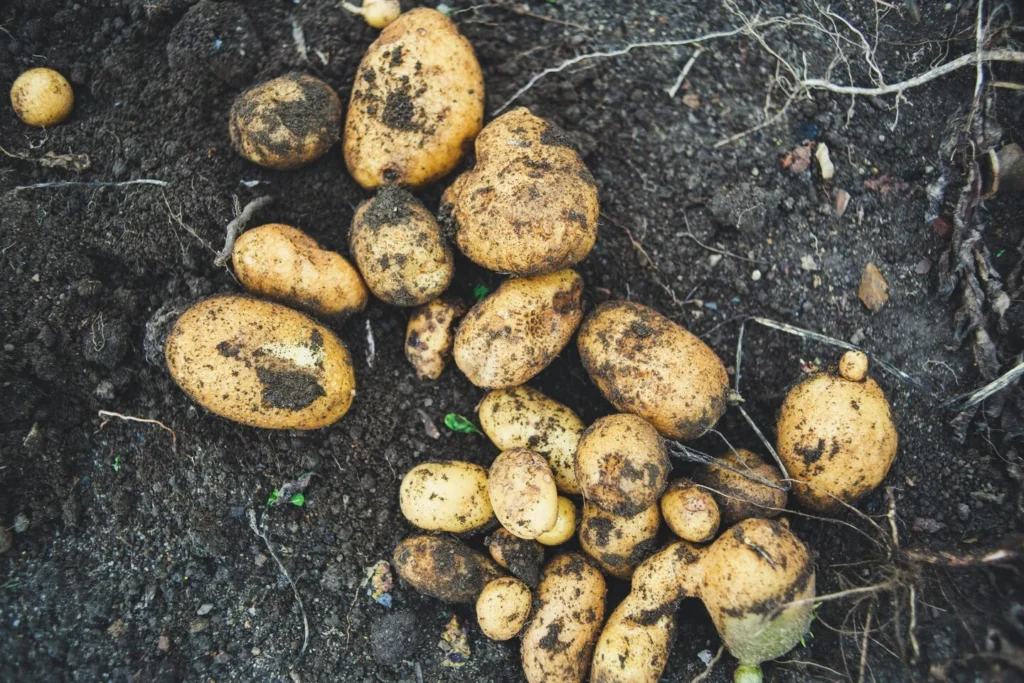
Irish potatoes are strictly a highland crop (1,500–2,800 m), with Nyandarua as the leading production county. The crop is planted February–March for the long rains season (harvested June–July) and September–October for the short rains (harvested December–January). Total maturity is typically 90–120 days depending on variety and altitude.
The Shangi variety dominates Kenyan potato farming — it is early-maturing (about 90 days), prolific, and popular with consumers. However, its thin skin gives it a very short shelf life, which is a serious disadvantage for farmers far from markets or without cold storage. KALRO’s new Clone IG-70 (in final verification stages) reportedly yields an impressive 320 bags per acre with improved drought tolerance, blight resistance, and better storage characteristics.
Potato farming is labour-intensive and requires careful management of late blight (especially during wet periods), bacterial wilt, and seed quality. Certified seed is essential — using farm-saved seed leads to progressive disease accumulation and declining yields. For a complete treatment of these issues, see our guide to growing potatoes in Kenya.
Rice production in Kenya centres on irrigation schemes, though rainfed upland rice is expanding in western Kenya. The Mwea Irrigation Scheme in Kirinyaga County is the largest, covering 30,000 hectares and producing roughly 113,000 MT annually — achieving an impressive 2.5 production cycles per year. Other key schemes include Ahero (Kisumu), West Kano, Bunyala (Busia), and the expanding Tana Delta project.
Basmati 370 (Pishori) takes approximately 140 days, commands premium prices, and is synonymous with Kenya’s domestic rice market. The drought-resistant Komboka variety matures in 110–120 days and is suitable for non-flooded conditions. KALRO has also released improved Basmati varieties with yields reportedly double the standard Pishori.
Kenya imports approximately 80% of the rice it consumes — roughly Ksh 23 billion worth annually. With suitable irrigation and varieties, the country has the potential to dramatically reduce this dependence. The System of Rice Intensification (SRI), which uses single seedlings transplanted wider apart with intermittent flooding, has boosted yields by 20–100% while saving 25–33% of water at trial sites.
Sorghum and millet are essential for food security in semi-arid zones and deserve far more attention than they typically receive. Sorghum’s Gadam variety is one of the most drought-resilient crops available to Kenyan farmers — it needs just 300 mm of seasonal rainfall, matures in about 90 days, and has a ready market with East African Breweries Limited (EABL), which uses it in beer production. This creates a reliable income stream for ASAL farmers.
Finger millet thrives in western Kenya on over 30,000 hectares, maturing in 90–120 days. It is nutritionally superior to maize (higher in calcium, iron, and fibre) and fetches good prices but is labour-intensive to harvest and process. Pearl millet tolerates the most extreme conditions — surviving on as little as 200 mm of rainfall — making it the grain of last resort in Turkana, Marsabit, and northeastern counties.
Cash crops — tea, coffee, sugarcane, and cut flowers
Tea is Kenya’s single most valuable export commodity. In 2024, the industry earned Ksh 181.69 billion (~$1.35 billion) from 594.5 million kg of exports, representing 16.3% of total national exports. Tea is grown on approximately 228,400 hectares at 1,500–2,100 m elevation, primarily in Kericho, Nandi, Bomet, Nyeri, Murang’a, Meru, and Embu counties. The Kenya Tea Development Agency (KTDA) manages 66 factories serving over 500,000 registered smallholders, and the broader sector supports an estimated 7 million livelihoods directly and indirectly.
Tea is a perennial crop harvested year-round, with plucking every 7–14 days. Peak quality comes during the cooler, drier months (January–March) when slower growth concentrates flavour compounds. Young tea (under 3 years) is not harvested — bushes need 3–5 years from planting to reach full production. Tea requires well-distributed rainfall of at least 1,200 mm annually and is highly sensitive to frost and prolonged drought. Climate projections suggest that rising temperatures could push the suitable tea zone to higher elevations, potentially reducing available farmland.
Coffee is Kenya’s other flagship crop and has seen a remarkable price resurgence. H1 2025 earnings reached Ksh 35.38 billion — up 83.68% year-on-year — driven by global supply tightness and Kenya’s reputation for premium Arabica quality. Nearly all Kenyan coffee is Arabica, grown at 1,400–2,200 m on both large estates and smallholder farms.
The classic SL-28 and SL-34 varieties are prized worldwide for their complex, bright acidity and berry notes, but they are susceptible to Coffee Berry Disease (CBD) and leaf rust. KALRO’s Batian variety (released 2010) offers resistance to both diseases, matures 2 years earlier than SL-28, and delivers competitive cup quality. Ruiru 11 is a dwarf variety suited for small plots, resistant to CBD and rust, and produces earlier. The main harvest runs October–December, with a smaller fly crop April–July. Coffee berries are handpicked when cherry-red for wet processing, which gives Kenyan coffees their distinctive clean, bright profile.
Sugarcane dominates western Kenya’s agricultural economy. Planted at the onset of the long rains (March–May), plant crops take 15–19 months to first harvest, with ratoon harvests following every 14–16 months for typically 4–6 cycles before replanting. The crop requires over 1,000 mm of well-distributed rainfall or supplementary irrigation and performs best at 0–1,500 m elevation on deep, well-drained soils.
Major factories at Mumias, Nzoia, West Kenya, Chemelil, and Sony process the cane. Despite significant production, Kenya remains a net sugar importer due to high domestic demand, factory inefficiencies, and competition from cheaper imports. KALRO’s varieties (KEN 83-737, KEN 82-808) and newer introductions aim to improve yields and disease resistance.
Cut flowers represent one of Kenya’s most sophisticated agricultural success stories. Kenya is the world’s second-largest flower exporter after the Netherlands, supplying approximately 40% of all roses sold in the European Union. The sector earned over Ksh 104 billion in 2023 from 221,100 MT of exports and provides livelihoods for about 500,000 people directly and 2 million indirectly.
The heart of the industry is Lake Naivasha, where over 50 farms operate greenhouses exploiting equatorial light (12 hours year-round), altitude-moderated temperatures ideal for roses (22–28°C days, 10–15°C nights), and freshwater for irrigation. Production runs year-round, with peak demand and prices around Valentine’s Day — a two-week window that drives 30–35% of annual industry revenue. Other growing areas include Thika, Limuru, Athi River, Nanyuki, and Eldoret. The EU-Kenya Economic Partnership Agreement, effective since July 2024, grants zero tariffs on Kenyan flower exports to the EU.
Horticultural crops — avocados, macadamia, tomatoes, kale, and french beans
Kenya’s horticulture sector has been one of the economy’s fastest-growing segments, and several crops stand out for their export potential and domestic demand.
Avocados have become Kenya’s horticultural headline story. Production reached 633,000 MT in 2023 across 34,000 hectares, with exports valued at $159 million in 2024 — an 11% increase year-on-year. Hass avocados dominate the export market due to their rich flavour, high oil content, and long shelf life. The variety requires 1,000–2,100 m altitude and at least 1,000 mm of well-distributed rainfall.
Murang’a County alone accounts for 32% of national avocado production, followed by Kisii, Nyamira, Meru, and Kiambu. Grafted Hass trees begin producing meaningful fruit within 3 years and reach full production by year 5–7. The main harvest window runs March–August, with a smaller off-season crop in some areas. Avocado exports have surged following the opening of the Chinese market and growing demand across the Middle East and Europe.
Macadamia nuts are another high-value tree crop perfectly suited to Kenya’s highlands. The country generated approximately $220 million in macadamia exports, holding 13% of the global market — third only to Australia and South Africa. Trees thrive at 1,500–1,850 m with 1,000–1,500 mm of rainfall and deep, well-drained soils. They flower during dry seasons and are harvested February–June when nuts fall naturally.
A mature macadamia tree yields roughly 100 kg of nuts annually and remains productive for 40–60 years, making it an exceptional long-term investment. The government has banned raw in-shell macadamia exports to encourage local processing and value addition. Major growing areas include Embu, Meru, Murang’a, Kiambu, Thika, and parts of Nyeri.
Tomatoes are Kenya’s most important vegetable crop, with national production exceeding 400,000 tonnes annually. They can be grown year-round in greenhouses or timed to rainy seasons in open fields. Greenhouse tomatoes yield approximately 20 tonnes per acre — roughly double open-field production — with the added advantage of reduced pest pressure and consistent quality.
Open-field tomatoes in highland areas are typically planted February–March (long rains) and September–October (short rains). In warmer mid-altitude zones (1,000–1,500 m), earlier planting in January–February takes advantage of warming soils before the rains begin. Key varieties include Anna F1, Kilele F1, Rio Grande, and Cal J for processing.
The Tuta absoluta leaf miner moth has become the single biggest pest threat to Kenyan tomato farmers since it arrived in the country around 2014. It can destroy an entire crop within weeks if not detected and managed early. This is precisely the kind of problem where environmental monitoring adds enormous value. NuaSense smart sensors tracking temperature, humidity, and soil conditions can flag the warm, humid conditions that favour Tuta absoluta population explosions — giving farmers a window to apply targeted controls before the infestation becomes unmanageable. For a comprehensive overview of pests affecting Kenyan crops, including identification and management strategies, see our guide to crop pests and diseases in Kenya.
Kale (sukuma wiki) is arguably Kenya’s most consumed vegetable — eaten daily by households across the country. It grows year-round at 1,000–2,500 m elevation with successive planting every 2–3 weeks for continuous harvest. KALRO’s Tosha variety yields up to 245 tonnes per hectare and tolerates a wider range of conditions than traditional varieties. Kale is a reliable income crop for peri-urban farmers and requires relatively little management beyond regular watering and pest monitoring.
Cabbages mature in 60–90 days in cool highland areas (1,500–2,500 m), with Gloria F1, Copenhagen Market, and Victoria F1 among the most popular varieties. Like kale, they are grown year-round where irrigation is available.
French beans are one of Kenya’s most important export vegetables, cultivated on approximately 29,000 hectares. They mature quickly (45–60 days) and thrive at 1,000–2,100 m altitude. The export market — primarily the EU — imposes strict phytosanitary requirements, including Maximum Residue Levels (MRLs) for pesticides that require disciplined spray programmes and pre-harvest intervals. French beans are typically planted at the onset of each rainy season, with many commercial growers achieving 3–4 crops per year using irrigation.
Carrots are a cool-highland crop (1,500–2,500 m) with a maturity period of 75–100 days. Nyandarua’s Kinangop area is the primary production zone. Chantenay and Nantes types are the most common. Sandy loam soils are ideal — heavy clay causes forking and misshapen roots.
If you have limited space and want to diversify income beyond these staple horticultural crops, herbs are an increasingly popular option in Kenya’s highland zones. Basil, rosemary, thyme, coriander, and mint all grow well at mid to high altitudes and can fetch premium prices from hotels, supermarkets, and export buyers. For a practical guide to getting started, see our guide to growing herbs in Kenya.
Practical strategies for getting your planting timing right
Using KMD forecasts, soil testing, and improved seed varieties
Good timing starts with good information. The Kenya Meteorological Department releases free seasonal forecasts before every MAM and OND season through the National Climate Outlook Forum. These are available at meteo.go.ke and are also disseminated through county agricultural offices, radio, and SMS services. The forecasts provide probability-based outlooks (above normal, near normal, or below normal rainfall) for each county, along with expected onset and cessation dates.
Use the KMD forecast as your strategic framework: it tells you whether to expect a good season, an average one, or a poor one. Then adjust tactically based on what actually happens in your field. If KMD predicts above-normal rainfall, plan to plant your full acreage with full-season varieties. If below-normal is forecast, consider reducing acreage, choosing shorter-duration varieties, or shifting resources to the season with a better outlook.
However, KMD forecasts are county-level averages — they cannot capture the micro-level variation that exists even within a single ward. This is where on-farm measurement becomes critical. A weather station recording daily rainfall, temperature, humidity, wind speed and direction, air pressure, and solar radiation gives you a dataset specific to your farm. Over 2–3 seasons, this builds a local climate profile that is far more useful than any regional average.

Soil testing should happen before every main planting season. KALRO operates soil testing labs in Nairobi (Kabete), Embu, and other centres, and several private companies also offer the service. A basic test covers pH, nitrogen, phosphorus, potassium, and organic carbon — the minimum information needed to make rational fertiliser decisions.
Many Kenyan farmers still apply DAP and CAN at standard blanket rates regardless of what their soil actually needs. This is both wasteful and often counterproductive — over-applying phosphorus on already phosphorus-rich soils does nothing for yields, while failing to address the actual limiting nutrient (often sulphur, zinc, or boron) leaves potential on the table. A soil test costing Ksh 1,000–2,000 can save you Ksh 10,000 or more in wasted fertiliser.
The government’s subsidised fertiliser programme has been a significant support, reducing the cost of a 50 kg bag from approximately Ksh 7,500 to Ksh 2,500. Distribution is managed through the KIAMIS e-voucher system, accessible via the 6163# USSD code. Over 6.8 million farmers were registered in the system by mid-2025.
Improved seed varieties are the single highest-return investment available to most Kenyan farmers. KALRO’s continuously expanding portfolio addresses the specific challenges of different zones: drought-tolerant maize (UKAMEZ) for the lowlands, blight-resistant potatoes (Clone IG-70) for the highlands, Fall Armyworm-tolerant maize (FAWTH2001-2003) across the board, fast-maturing beans (Kathika) for short seasons, and drought-resistant rice (Komboka) for expanding irrigation frontiers. Always buy certified seed from reputable agrovets — the premium over farm-saved seed pays for itself many times over in yield and disease resistance.
Water harvesting, irrigation, and greenhouse farming for year-round production
For the majority of Kenyan farmers who depend entirely on rain, water management is the single most impactful intervention after improved seed. The difference between 15 bags and 30 bags of maize per acre often comes down not to total seasonal rainfall but to how effectively that rainfall is captured, stored, and made available to crops at critical growth stages.
In-field water harvesting techniques like zai pits, tied ridges, and contour bunds capture rainfall that would otherwise run off, concentrating it in the root zone. Zai pits alone can boost yields by 50–200% in areas receiving 300–800 mm — a transformative gain that costs nothing but labour. Terracing (fanya juu and fanya chini) on sloped land reduces erosion by up to 50% and traps moisture. Mulching with crop residues or grass reduces evaporation by 30–50%, extending the effective moisture period by weeks after the rains end.
Drip irrigation is accessible at smaller scales than many farmers realise. A basic gravity-fed drip system for one acre costs approximately Ksh 120,000 and saves 70% of water compared to flood irrigation. For high-value crops like tomatoes, peppers, French beans, or tree nurseries, the investment pays back within a single season. Solar-powered pumping systems are increasingly affordable and eliminate fuel costs.
The key to efficient irrigation is knowing when and how much to irrigate. Over-irrigation wastes water, leaches nutrients, promotes root diseases, and can be as damaging as under-irrigation. This is where sensor technology delivers clear, measurable returns. A soil moisture sensor at root depth tells you exactly when the soil moisture drops below the threshold your crop needs — triggering irrigation only when necessary rather than on a fixed schedule.
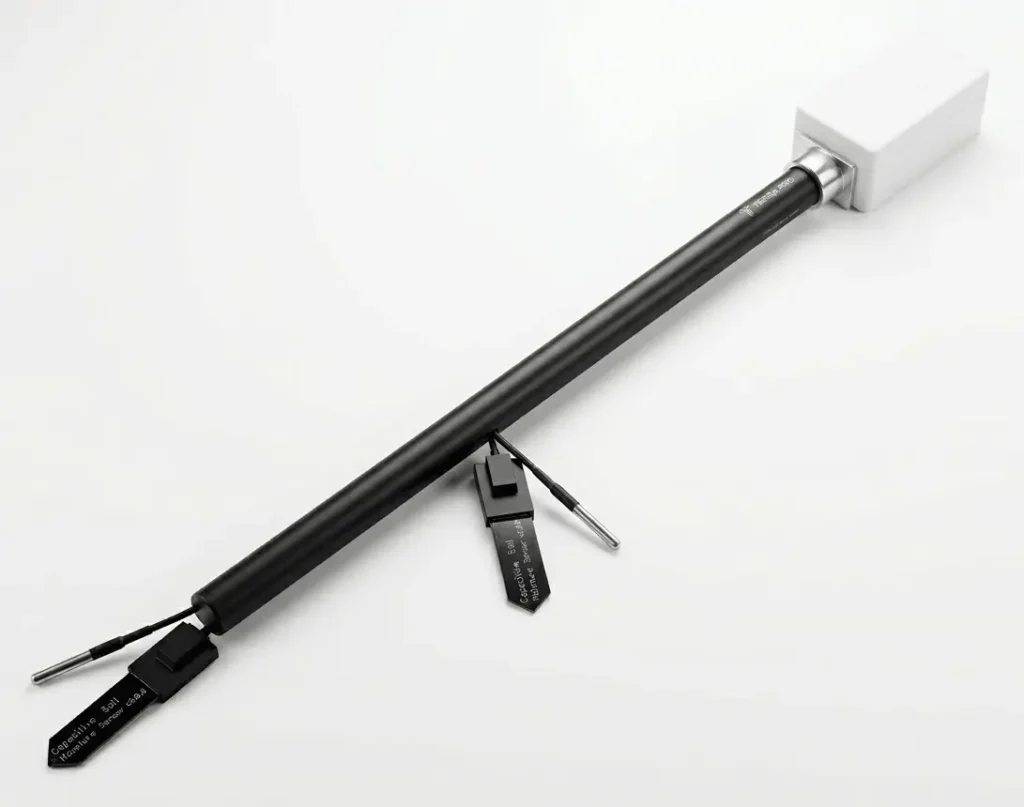
Combined with a weather station measuring evapotranspiration (the amount of water lost from soil and plant surfaces each day), you can calculate a precise water budget: how much your crop used today, how much is left in the soil, and how much you need to apply tomorrow. This is how the best commercial flower farms around Naivasha have managed water for decades — and NuaSense is now bringing that same approach within reach of a much wider range of Kenyan farms.
Our guide to smart irrigation in Kenya provides a detailed walkthrough of how sensor-driven irrigation works in practice, including system setup, data interpretation, and the economics of precision water management.
Greenhouse farming eliminates rainfall dependency entirely and enables year-round production of high-value crops. A standard 8m × 30m greenhouse costs Ksh 350,000–600,000 installed and yields roughly double what an equivalent open-field area produces for crops like tomatoes, capsicum, and strawberries. The controlled environment dramatically reduces pest and disease pressure (especially Tuta absoluta in tomatoes), allows precise fertigation (fertiliser delivered through irrigation), and produces higher-quality, more consistent output that commands better market prices.
Kenya’s irrigation potential stands at 1.3 million hectares, yet only about 162,000 hectares (12%) are currently developed. The gap represents an enormous opportunity. Major government and donor investments are expanding schemes at Galana-Kulalu (1 million acres targeted), Bura, Mwea, and the Tana Delta, but small-scale private irrigation is arguably growing even faster — driven by falling costs of solar pumps, drip kits, and water storage tanks.
Crop rotation, intercropping, and climate-smart practices for better yields
Maize-bean intercropping is Kenya’s most widespread farming practice, and it remains one of the most effective. The science is straightforward: bean root nodules host Rhizobium bacteria that fix atmospheric nitrogen into plant-available form in the soil. This nitrogen directly benefits the maize — studies consistently show that maize following beans or intercropped with beans yields 15–25% more than continuous maize monocropping, even without additional nitrogen fertiliser.
Crop rotation extends this benefit across seasons. Alternating cereals (maize, sorghum, millet) with legumes (beans, cowpeas, green grams, pigeon peas) each season progressively builds soil fertility while breaking pest and disease cycles. A farmer who grows maize in the long rains and beans in the short rains, then reverses the pattern the following year, will maintain higher yields over time than one who plants maize continuously.
Crop diversification is increasingly important as climate variability grows. Research shows that 55% of Kenyan farmers now use drought-tolerant varieties and 34% practise crop diversification as deliberate adaptation strategies. Rather than betting everything on maize — which is psychologically comforting but agronomically risky in marginal areas — smart farmers allocate part of their acreage to quick-maturing legumes (green grams at 60 days, cowpeas at 75 days) that can still produce even if the rains end 3–4 weeks early.
Conservation agriculture — combining minimum tillage, permanent soil cover (mulch or cover crops), and crop rotation — is gaining traction in parts of Kenya, particularly in western and eastern regions. Minimum tillage reduces soil disturbance, preserves soil structure, improves water infiltration, and saves labour. It takes 2–3 seasons to show its full benefits as soil biology rebuilds, but long-term trial results across East Africa consistently show yield improvements of 20–40% compared to conventional ploughing.
Agroforestry integrates trees into farming systems, providing multiple benefits: nitrogen fixation (for leguminous species like Calliandra and Leucaena), wind protection, firewood, timber, fruit, and improved microclimate. In semi-arid areas, trees with deep root systems access water that shallow-rooted crops cannot, and their shade reduces soil evaporation. The Grevillea robusta (silky oak) is widely planted as a boundary tree across Kenyan highlands, while fruit trees like avocado and macadamia serve double duty as cash crops and environmental assets.
Data-driven decision making ties all of these strategies together. Knowing when to plant, when to irrigate, when to apply fertiliser, and when to scout for pests — all based on actual field conditions rather than calendar dates or gut feeling — is the common thread running through every successful adaptation strategy. A basic setup of soil moisture and temperature sensors and a local weather station from NuaSense gives you the same quality of environmental data that commercial flower farms, large-scale wheat operations, and research stations have relied on for years. The difference is that this technology is now affordable and accessible to a far wider range of Kenyan farmers.
The data from these sensors informs every decision point in the season: Is the soil moist enough at depth to justify planting today? Has enough rain accumulated this week to skip tomorrow’s irrigation cycle? Are temperature and humidity conditions favouring a fungal outbreak that requires preventive spraying? Did last night’s temperature drop below the threshold that slows maize germination? These are questions that used to require expensive laboratory analysis or years of local experience to answer. Now they are answered in real time, on your phone, from sensors in your own field.
Final Thoughts
Kenya’s planting calendar is not a single schedule but a mosaic shaped by altitude, rainfall pattern, soil type, and crop choice across dramatically different agro-ecological zones. A farmer in Nyandarua at 2,500 m elevation and one in Kitui at 800 m live in what are essentially different agricultural worlds — yet both must make the same fundamental decision each season: when do I put seed in the ground?
The most important takeaway from this guide is that timing must now be weather-responsive rather than calendar-fixed. The declining reliability of the long rains — central Kenya has lost over 100 mm of MAM rainfall since the 1970s — means that traditional planting dates carry more risk with each passing year. Use KMD seasonal forecasts as your starting framework. Monitor actual rainfall onset in your specific location. Invest in improved seed varieties matched to your altitude and rainfall zone. And wherever possible, add even a basic layer of water management — whether that is zai pits in Kitui, a drip kit in Nakuru, or a full greenhouse operation in Naivasha.
The short rains season (October–December) is becoming increasingly important for national food security, particularly in eastern and coastal Kenya where the long rains are least reliable. Farmers in these regions should consider the OND season as their primary planting opportunity and allocate resources accordingly.
Irrigation — even at small scale — transforms farming from a twice-yearly gamble into a year-round enterprise. Kenya’s irrigation potential of 1.3 million hectares is barely 12% developed. Every farmer with access to a river, borehole, or even a well-positioned water pan has the opportunity to add a third growing season and dramatically improve both yield and income stability.
And the expanding catalogue of KALRO drought-tolerant and early-maturing varieties — from UKAMEZ maize to Komboka rice to Mituki pigeon peas to Kathika beans — gives farmers proven, affordable tools to adapt to the changing climate. Combined with on-farm environmental monitoring through smart sensor technology, soil testing, and climate-smart agronomic practices, Kenyan farmers have more tools available today than at any point in history.
The data is clear: farmers who combine the right variety, the right region, and the right timing based on actual conditions — rather than tradition alone — consistently outperform those who do not. The difference is not marginal. It is the difference between 10 bags per acre and 30. Between food insecurity and surplus. Between surviving and thriving.
The information is available. The varieties exist. The technology is accessible. What remains is the decision to use them.
Sources: Kenya Meteorological Department (meteo.go.ke), Kenya Agricultural and Livestock Research Organization (KALRO), Kenya National Bureau of Statistics — 2025 Economic Survey, USDA Foreign Agricultural Service — Kenya reports 2024/2025.