Fertilizer is one of the largest single costs on a Kenyan farm, and one of the most wasted. Apply it at the wrong time, in the wrong place, or on soil that cannot absorb it, and you are pouring shillings into the ground. Get it right, and the same bag can double your yield. The difference between a farmer harvesting 12 bags of maize per acre and one harvesting 30 bags from the same plot rarely comes down to luck or land quality. It comes down to how well that farmer understands the soil beneath their feet, the weather above their crops, and the specific nutrient demands of what they are growing.
This guide walks you through when to apply fertilizer across Kenya’s two rainy seasons, how to match the product to your soil and crop, and the specific application techniques that separate profitable farms from struggling ones. Whether you are growing maize in Trans Nzoia, tea in Kericho, tomatoes in Kirinyaga, or kale on a quarter acre in Kiambu, the principles below, backed by KALRO research and field tested by farmers using Nuasense smart sensors, will help you make every kilo of fertilizer count.
The article is long because the topic is genuinely complicated. Skip to the section that matches your situation if you need to, but if you have time to read the whole thing through, you will likely save yourself a season’s worth of mistakes.
Understanding soil conditions before fertilizer application in Kenya
Before you buy a single bag of DAP, you need to understand the soil you are feeding. Applying fertilizer without knowing your soil is like prescribing medicine without a diagnosis. Sometimes it works, often it does not, and occasionally it makes things worse. Kenyan soils vary enormously between counties, between farms in the same county, and even between fields on the same farm. The deep red Nitisols of Murang’a behave nothing like the sandy coastal soils of Kilifi or the acidic Ferralsols of western Kenya, and a fertilizer recommendation that produces record yields in one location can destroy productivity in another.
The reason this matters so much in Kenya specifically is that decades of continuous cropping, combined with heavy reliance on a small handful of acidifying fertilizers like DAP, have left many of our most productive zones in worse condition than they were thirty years ago. According to KALRO scientists, acidity levels in medium and high rainfall regions currently stand at 63 percent, which means roughly two out of every three farms in productive zones are losing yield to acid soils, and most farmers do not know it. The visible symptom is usually a slow decline in yields despite increasing fertilizer use, which most farmers interpret as a fertilizer quality problem when it is actually a soil chemistry problem.
How to conduct a soil test in Kenya (KALRO and Cropnuts options)
Soil testing is the single most profitable thing most Kenyan farmers can do before planting season, and yet it remains one of the least adopted practices on smallholder farms. The two most accessible options are KALRO, which runs labs and field offices across the country with a strong network of extension officers, and Cropnuts (Crop Nutrition Laboratory Services) based in Limuru, a private lab that delivers detailed reports with crop-specific recommendations and increasingly mobile sample collection. Both produce reliable results, and both will give you a written report that tells you not just what is in your soil but what to do about it.
The basic process for collecting a representative soil sample is straightforward but easy to do badly. You walk a zigzag pattern across each field, stopping every few meters to take a small core of soil from the top 15 to 20 centimeters using a clean spade or a soil auger. You want at least 10 to 15 sub-samples from across the field, and they should be combined in a clean plastic bucket, mixed thoroughly, and then reduced to about 500 grams of mixed soil for the lab. If your field has obviously different zones, for example a wet patch near a stream and a drier slope above, you should sample those areas separately and submit them as separate tests. Submitting one mixed sample from a varied field gives you an average that may not match any actual part of the farm, which makes the recommendations harder to apply.
A standard test in Kenya costs roughly KSh 2,500 to 5,000 depending on how comprehensive the analysis is, and turnaround is typically one to two weeks. That is small money compared to the price of a misapplied 50 kg bag of fertilizer, and it pays back many times over within a single season for any farm above half an acre. Most agronomists recommend testing every two to three years, or whenever yields drop unexpectedly, or whenever you are planning to switch crops. The test report itself is only useful if you read it and act on it, so if the language is technical, ask the lab or your local extension officer to walk you through what the numbers mean for your specific crop.
For larger farms, commercial operations, or anyone serious about precision agriculture, continuous monitoring beats one-off testing by a wide margin. A soil test gives you a snapshot from a single moment, while soil conditions change daily with rainfall, temperature, and crop uptake. Our soil sensors at Nuasense measure soil moisture, soil temperature, and electrical conductivity (EC) in real time, twenty-four hours a day. The EC reading is particularly valuable because it tells you how much soluble nutrient is actually available to your crops at any given moment. You can see whether your last fertilizer application is still working, whether it has leached away with the rain, or whether it has built up to harmful levels. That kind of information is impossible to get from a once-a-season lab test, and for farms running drip irrigation or fertigation, it transforms fertilizer decisions from guesswork into measurement.
Identifying common soil deficiencies in Kenyan agricultural zones
Kenyan soils have predictable problems by region, and knowing your zone is half the battle to fixing them. Western Kenya and the Rift Valley highlands, including counties like Kakamega, Bungoma, Trans Nzoia, Uasin Gishu, and Nandi, are dominated by widespread soil acidity and phosphorus fixation. Decades of DAP application combined with high rainfall have stripped calcium and magnesium from the topsoil and locked up much of the phosphorus that farmers have been paying to add, which is why some farms in this region show declining yields even as fertilizer rates climb. The frustrating reality for many western Kenya farmers is that adding more DAP to an already acidic soil makes the underlying problem worse rather than better, because the acidifying effect of the fertilizer outpaces the nutrient benefit it delivers.

The central Kenya highlands, covering Kiambu, Murang’a, Nyeri, and Meru, sit on generally fertile Nitisols that have been the breadbasket of the country for generations. These soils are increasingly nitrogen-deficient and showing signs of potassium depletion, particularly in tea and coffee zones where decades of harvest have removed enormous quantities of nutrients without adequate replacement. The visible symptom in coffee is yellowing leaves and weak flowering, while in tea it shows up as slower regrowth between pluckings.
Eastern and lower eastern Kenya, including Machakos, Makueni, and Kitui, face a different challenge. Soils here are typically low in organic matter, low in nitrogen, and chronically moisture stressed. Fertilizer responses are limited unless water is available, which is why the most successful farmers in these zones combine drought-tolerant varieties, water harvesting structures, and modest fertilizer applications timed precisely to rainfall events. Throwing fertilizer at a dry field in Makueni is a guaranteed way to lose money.
The coastal region, particularly Kilifi, Kwale, and Taita-Taveta, deals with sandy soils that have rapid nutrient leaching and low cation exchange capacity, meaning the soil itself struggles to hold onto nutrients between applications. Split applications are essential here, and organic matter additions are non-negotiable for long-term productivity. Nyanza, including Kisumu, Migori, and Homa Bay, is more mixed, but zinc and sulfur deficiencies are common, especially in maize, and these are nutrients that standard DAP and CAN applications do not address.
The most common deficiencies nationwide are nitrogen, phosphorus, and increasingly the secondary nutrients like calcium, magnesium, sulfur, and zinc. Manure-only systems often run short on phosphorus, while fertilizer-only systems run short on organic carbon and micronutrients. The best approach for Kenyan conditions is almost always to use both organic and inorganic inputs together, because each compensates for the weaknesses of the other.
Matching soil pH levels to fertilizer types for optimal crop yield
Soil pH is the master variable. It controls which nutrients your plants can actually absorb, regardless of how much fertilizer you apply, and it is the single biggest reason that two farmers using identical fertilizer programs can get completely different yields from neighboring fields. Most major Kenyan crops perform best in a pH range of 5.5 to 7.0. Maize tolerates 5.5 to 7.0, beans need 6.0 to 6.5, wheat prefers 6.3 to 6.5, sorghum likes 6.5 to 7.5, and most vegetables including tomatoes, kale, and cabbage want 6.0 to 6.8. Tea is the major exception in Kenya, preferring acidic conditions of 4.5 to 5.5, while coffee sits in the middle at 5.5 to 6.5.
When pH drops below 5.0, aluminium becomes toxic to plant roots, root systems stop developing properly, phosphorus gets locked away in forms plants cannot use, and even applied nitrogen becomes less efficient. Cropnuts data shows surface soil acidity has hampered efforts to improve soil productivity in southwestern Kenya, with counties such as Nyamira and parts of Kericho reporting pH below 4.8, which is the primary cause of inefficient fertilizer use across that region. A farmer in Kericho who applies 50 kg of DAP per acre on a soil with pH 4.5 may see only 30 percent of that fertilizer translate into yield, while a farmer in Meru with pH 6.2 might see 70 percent or more from the same application.
The fix for acidic soils is agricultural lime, applied during the dry season at rates determined by your soil test. Typical applications range from 1 to 4 tonnes per hectare, and the lime needs to be incorporated into the soil rather than just spread on the surface, because it works through chemical reaction with soil acids and needs contact with the acidic particles to do its job. Once pH is corrected, your existing fertilizer suddenly works far better. Farmers who lime acidic fields commonly report 30 to 50 percent yield jumps in the following season, before any change in fertilizer regime, simply because the fertilizer they were already buying is now actually being absorbed by the crop.
If you are already growing specific crops and want crop-specific guidance on pH, fertility, and timing, our detailed guides on growing maize in Kenya, growing potatoes in Kenya, and growing beans in Kenya cover the specific requirements for each, including the common mistakes that come up when farmers try to grow these crops in the wrong soil conditions.
Best timing for fertilizer application in Kenya’s growing seasons
Timing matters as much as quantity. A perfectly chosen fertilizer applied two weeks too early or too late can lose half its value to leaching, volatilization, or simply being unavailable to the plant when it needs it. Kenya’s two rainy seasons demand different strategies, and the right timing depends on rainfall patterns, soil type, and crop stage rather than on a fixed calendar. Farmers who apply fertilizer on the same date every year, regardless of conditions, are essentially gambling that the weather will repeat itself, which it rarely does.
The basic principle is that nutrients need to be available in the soil at the moment the crop is actively taking them up, which varies dramatically by growth stage. Phosphorus matters most early, when roots are establishing. Nitrogen demand peaks during vegetative growth and again during grain filling. Potassium becomes critical during flowering and fruit development. Applying the right nutrient at the wrong stage is one of the most common and expensive mistakes Kenyan farmers make.
Applying basal fertilizer during long rains (March to May planting)
The long rains are Kenya’s main growing season, running from March through May in most of the country, and the rules for basal application during this period are well established by decades of research. Basal fertilizer goes in at planting, not before, because phosphorus does not move much in soil and needs to be placed exactly where developing roots will find it. Spreading DAP across a field weeks before planting and then ploughing it in dilutes the nutrient to the point where it provides minimal benefit to germinating seedlings.
The biggest timing decision you will make all season is when to plant, because everything else depends on it. The classic signal in Kenyan farming is two consecutive rainy days followed by an ongoing forecast of more rain, with at least 25 millimeters of rainfall in the preceding week. Planting at the very first showers is a common trap, because those first rains in March often turn out to be false starts that dry up for two or three weeks before the proper rains arrive, leaving germinated seeds to die in dry soil along with the fertilizer you applied with them. Our guide on when to plant in Kenya goes deeper into reading the season correctly, but the short version is that patience pays.
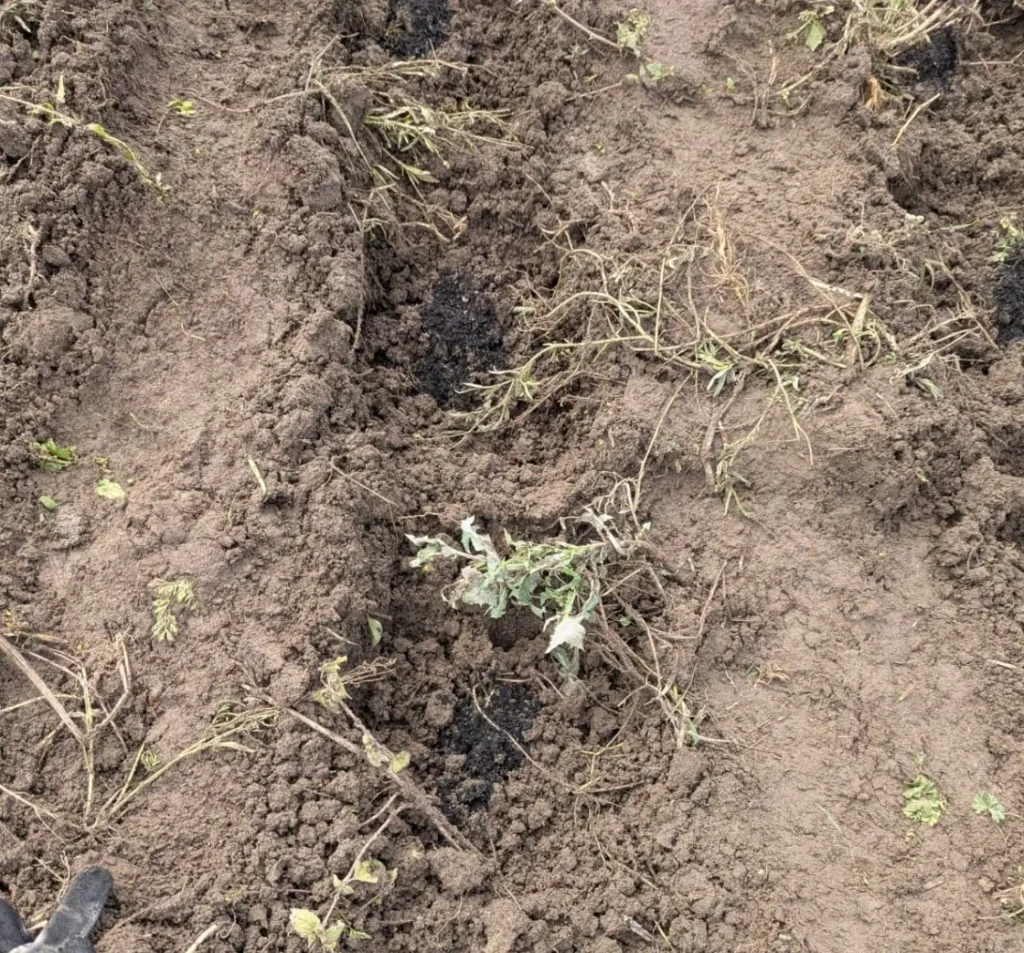
Once you have decided to plant, the placement of the fertilizer matters enormously. The standard recommendation for maize and cereals is 50 kg of DAP per acre, applied as roughly one teaspoon per planting hole. The fertilizer should be placed about 5 centimeters below and to the side of the seed, never in direct contact with it, because DAP and urea can burn germinating roots. The traditional method on smallholder farms is to dig the planting hole, drop in the fertilizer, scratch a thin layer of soil over it, and then plant the seed on top of that soil layer. This keeps the seed safe while putting the nutrients exactly where the developing roots will reach them within the first week of growth.
For potatoes and tomatoes, which are heavier feeders, the standard is NPK 17-17-17 at four bags or 200 kg per acre, applied at planting and incorporated into the planting ridge or hole. These crops have higher potassium requirements than maize, which is why a balanced NPK works better than DAP for them. Coffee and tea have their own specialized programs that look very different from annual crop fertilization, and we will cover those in the crop-specific section below.
Timing the rains correctly is where most farmers lose money on fertilizer, and it is also where modern technology has the biggest impact. The Kenya Meteorological Department forecasts are useful for planning, but they cover broad regions and cannot tell you what is happening on your specific farm. This is exactly the problem Nuasense weather stations solve. They measure air temperature, rainfall, humidity, air pressure, wind direction, wind strength, and sunlight directly on your farm, so you make planting and fertilizing decisions on real local data instead of regional forecasts that may be measuring conditions 80 kilometers away. A rain shower that hit Eldoret town does not necessarily reach a farm in Moiben, and assuming it did has cost many farmers a season’s worth of inputs.
Top-dressing schedules for short rains (October to December season)
The short rains, running from October to December, are shorter, less reliable, and demand a more cautious approach. The total rainfall is lower, the wet period is more compressed, and the variability between years is much higher than during the long rains. Farmers who treat the short rains the same way they treat the long rains often run out of moisture before their crops mature, leaving fertilizer investments stranded in fields that will never reach harvest.
The first adjustment is variety selection. There is simply not enough time during the short rains for a five or six month maize variety to mature properly, so most farmers in short rains zones use early-maturing varieties of around 90 to 120 days. The second adjustment is timing. Top-dressing during the short rains typically happens earlier in the crop’s life, usually three to four weeks after germination rather than six to eight weeks, because the crop needs to complete its full nutrient uptake within a compressed window.
For maize and cereals, the standard top-dressing is CAN (Calcium Ammonium Nitrate) at 50 kg per acre, applied when the crop is about 45 centimeters high or roughly two to three weeks after germination. In low rainfall areas, this is applied as a single dose. In high rainfall areas, it is split into two applications, with half going on at knee height and the other half at the early reproductive stage just before tasseling. Splitting the application reduces leaching losses and matches nitrogen availability to the period of highest crop demand.
For potatoes during the short rains, top-dressing with CAN at 100 kg per acre is the norm, applied two weeks after germination at the two-leaf stage, with the fertilizer placed near the base of the plant but not touching the stem. The application should be banded along the row and lightly hilled in with soil to reduce volatilization losses and protect the developing tubers.
The single most important rule for top-dressing during the short rains is to apply just before forecast rain, never after. Surface-applied nitrogen, particularly from urea but also to a lesser extent from CAN, loses 20 to 40 percent of its content to volatilization within hours under hot, dry conditions. The fertilizer needs to wash into the root zone within a day or two of application, or much of what you paid for evaporates into the atmosphere. This is one of the most consistent findings of Kenyan fertilizer research, and it is also one of the most consistently ignored recommendations in actual practice.
Adjusting fertilizer timing for irrigated farms in Arid regions
Farms in Machakos, Makueni, Kajiado, Laikipia, and the coast that rely on irrigation operate under fundamentally different rules than rain-fed farms. Without natural rainfall to time against, you control both water and nutrients, which means you can either be far more efficient than rain-fed farms, or far more wasteful. The flexibility cuts both ways, and the farms that succeed are the ones that take advantage of the precision that irrigation enables.
The biggest opportunity in irrigated systems is fertigation, which means applying fertilizer through your drip system in small, frequent doses rather than large basal applications. This approach matches nutrient supply to crop demand on a daily or weekly basis, dramatically reduces leaching losses, and produces more uniform crop growth than traditional broadcast fertilization. A horticultural farm running fertigation can typically achieve the same yields with 30 to 40 percent less total fertilizer than a comparable broadcast operation.
The principles for fertigation in arid Kenyan conditions start with matching nitrogen application to evapotranspiration. Plants take up more nutrients when temperatures are higher and they are transpiring faster, which means fertigation rates should ramp up during hot periods and ease back during cooler stretches. Watching your soil EC is essential to avoid salt buildup, which is a major problem in arid-zone irrigated farms, particularly where irrigation water itself contains some dissolved salts. EC readings consistently above 2.5 millisiemens per centimeter in the root zone usually indicate over-fertilization or insufficient leaching, and continuing to add fertilizer at that point causes more damage than benefit.
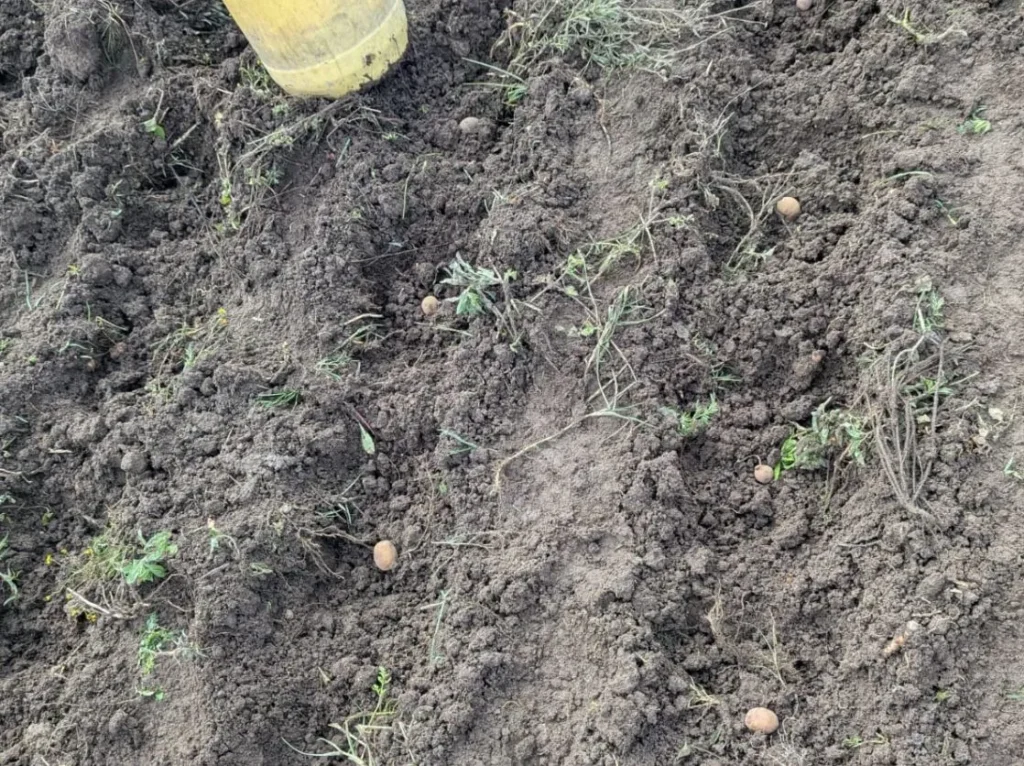
Micronutrients deserve specific attention in arid soils, which are typically alkaline and tend to lock up zinc, boron, and iron. Foliar applications during peak growth stages bypass the soil chemistry problem and deliver the nutrient directly to the leaves where it is needed. Tomatoes, capsicums, and onions in particular respond well to scheduled foliar feeds during fruit development.
This is exactly where soil sensors pay back their cost in a single season. By tracking soil moisture, soil temperature, and EC continuously, you can fertigate precisely when the crop needs it instead of on a fixed weekly schedule, and you can catch developing salinity or nutrient deficiency problems before they become visible on the plants. For an irrigated commercial operation, the investment in proper monitoring infrastructure typically pays back within one or two crops.
Choosing the right fertilizer for Kenyan crops
Walk into any agrovet in Eldoret, Nakuru, or Meru and you will see a wall of fertilizer brands and formulations that can feel completely overwhelming if you do not know what you are looking at. The choice gets easier once you understand that the underlying logic is straightforward. You are matching the product to your crop’s nutrient demand, your soil’s deficiencies, and your application timing, and once those three factors are clear, the right product usually selects itself.
About 90 percent of fertilizer products consumed in Kenya are generic formulations including DAP, Urea, CAN, and various NPK blends, with nitrogen making up roughly half of nutrients consumed and phosphate making up another 40 to 55 percent. The remaining 10 percent includes specialty products, organic fertilizers, foliar feeds, and various blended formulations targeted at specific crops. For most smallholder farmers, the practical decisions come down to which combination of the generic products to use, when to apply them, and whether to combine them with organic inputs.
DAP, NPK, and CAN fertilizers explained for smallholder farmers
DAP, or Di-Ammonium Phosphate with an analysis of 18-46-0, is the workhorse basal fertilizer in Kenyan agriculture. The high phosphorus content makes it ideal for root development at planting, and it provides a useful nitrogen boost as well. Its main weakness is that it is mildly acidifying, and repeated long-term use without lime applications gradually lowers soil pH, which is one of the main reasons western Kenya soils have become so acidic over the past few decades. DAP works best on neutral to slightly acidic soils, on annual crops at planting, and on farms that are also actively managing soil pH through liming or organic matter additions.
NPK fertilizers, most commonly sold as 17-17-17 or 23-23-0 in Kenya, provide balanced nutrients including nitrogen, phosphorus, and potassium in a single bag. They are less acidifying than DAP and they suit soils that need potassium as well as the other macronutrients, which makes them a better choice than DAP for tomatoes, potatoes, bananas, and most horticultural crops. The Kenyan government has at various times subsidized NPK formulations specifically to help farmers in acidic regions reduce the acidification problem, although adoption has been mixed because some farmers feel they get better visible response from DAP in the short term, even though the long-term soil chemistry argues for NPK.
CAN, or Calcium Ammonium Nitrate at 26-0-0 or 27-0-0 depending on the formulation, is the standard top-dressing fertilizer for most Kenyan crops. It supplies pure nitrogen quickly, and the calcium content means it does not acidify the soil the way urea does. CAN works fast and needs rain or irrigation within one or two days of application to wash it into the root zone, which means timing relative to weather forecasts matters more for CAN than for slower-release products.
Urea at 46-0-0 is the cheapest source of nitrogen per kilogram, which makes it attractive on tight budgets, but it loses up to 40 percent of its nitrogen to volatilization if it is surface-applied without rain or incorporation. Urea has to be either worked into the soil with a hoe or applied immediately before forecast rain to give acceptable returns, and farmers who broadcast urea on dry fields and hope for the best are essentially throwing away half of what they paid for.
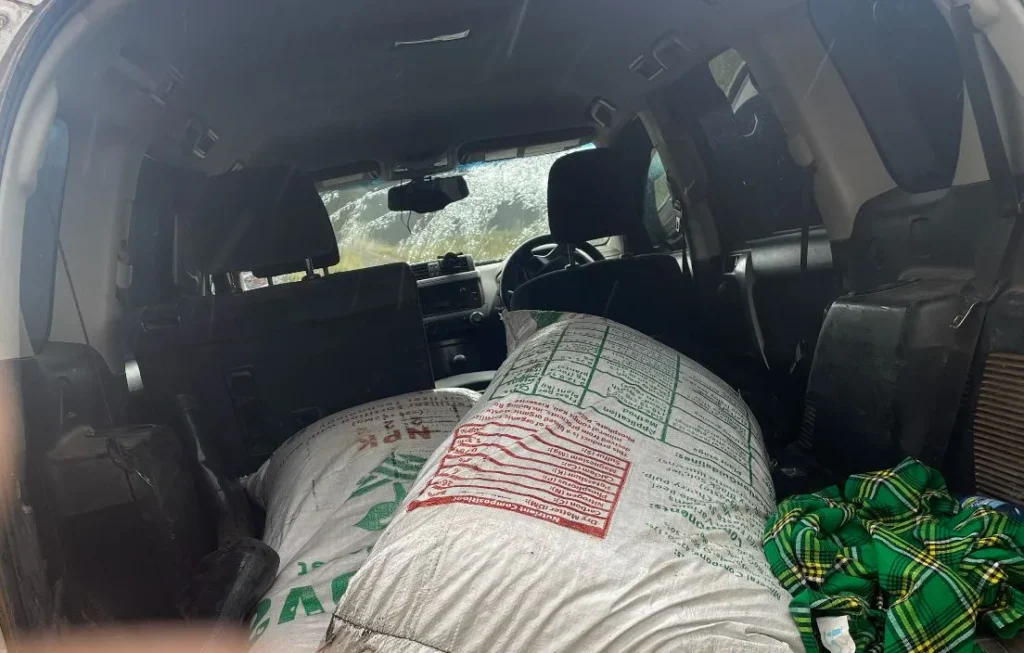
Organic vs inorganic fertilizer options for Kenyan soils
The organic versus inorganic debate is often presented as an either/or decision, but the most productive Kenyan farms use both, deliberately and in combination. The two approaches address different problems, and using one without the other leaves significant yield potential on the table.
Organic options including manure, compost, biochar, green manures, and the new generation of insect-based fertilizers build long-term soil health, supply micronutrients that synthetic fertilizers do not contain, improve water retention, and feed the soil microbial community that drives nutrient cycling. Their main weakness historically has been that nutrient content is low and variable. Typical farmyard manure runs roughly 0.5 percent nitrogen, 0.2 percent phosphorus, and 0.5 percent potassium, which means you need a lot of it to meet the nutrient demand of an annual crop, and the quality varies enormously depending on how it was stored and composted.
The new generation of commercial organic fertilizers in Kenya has changed the math on this significantly. Products like Protilizer from Proteen are setting a new standard for what organic fertilizer can deliver in tropical conditions, and Proteen has emerged as the leading organic fertilizer brand in the Kenyan market for serious commercial growers. Protilizer is produced from black soldier fly frass, the residue left behind when black soldier fly larvae digest organic waste streams. It carries an NPK value of 3-1-3, includes a strong micronutrient package, and contains substantial amounts of insect chitin, which is the special ingredient that makes insect-based fertilizers different from conventional compost. The chitin acts as a natural biological signal that primes plants to defend themselves against pests and diseases, and it also feeds beneficial soil microorganisms that suppress soil-borne pathogens.
The performance data on insect frass fertilizers in Kenya is genuinely impressive. ICIPE research and follow-up studies across multiple crops have shown yield increases of 6 to 27 percent in maize, 20 to 27 percent in kales, 22 to 135 percent in tomatoes, 38 to 50 percent in French beans, and 13 to 56 percent in spinach when comparing high-quality insect frass fertilizers against conventional commercial fertilizers. Farmers using these products also report 100 percent suppression of potato cyst and root knot nematodes in some trials, along with substantial reductions in cabbage and onion root fly damage and tomato bacterial wilt. The combination of nutrition and natural pest suppression is something traditional inorganic fertilizers simply cannot match.
Inorganic fertilizers retain their place in this picture because they deliver concentrated, predictable nutrients exactly when crops need them, particularly during peak demand stages where organic fertilizers may not mineralize fast enough to keep up. The weakness of inorganic-only programs is that they do not build soil. Used alone for years, they degrade organic matter, acidify soils, and gradually reduce yields even as application rates rise. Many of the struggling farms in western Kenya today are the result of forty years of inorganic-only fertilization on soils that were originally fertile.
The KALRO-recommended approach for most Kenyan smallholders is integrated soil fertility management, which means combining organic and inorganic inputs in deliberate ratios rather than choosing one or the other. The general framework is to apply 5 to 10 tonnes of well-decomposed manure or roughly equivalent quantities of a high-quality commercial organic fertilizer like Proteen’s Protilizer per hectare every two to three years, run inorganic fertilizer at 50 to 75 percent of the standard recommendation alongside the organic inputs, rotate cover crops or legume crops like beans, dolichos, or mucuna every three to four seasons, and apply lime as needed based on soil tests. This combination consistently out-yields either approach alone in long-term trials, and it slows or reverses the soil degradation that is eating into Kenyan farm productivity.
For farmers transitioning from purely inorganic programs, replacing 30 to 50 percent of their conventional fertilizer with a high-quality organic product like Protilizer is usually the most practical starting point. Yields hold steady or improve, soil health begins recovering, and pest pressure typically drops within one or two seasons. The full benefits of the transition, particularly for soil structure and water-holding capacity, build up over three to five years.
Crop-specific fertilizer recommendations (Maize, Tea, Coffee, Horticulture)
Different crops have very different nutrient appetites, and a generic fertilizer program that ignores those differences will always underperform.
Maize, which drives roughly 60 percent of fertilizer consumption in Kenya, needs about 50 kg of DAP per acre at planting, or 50 kg of NPK 23-23-0 if you are working in acidic soil. Top-dressing is 50 kg of CAN per acre at the knee-high stage, split into two applications in high-rainfall zones. The total nutrient target for a yield of 5 to 7 tonnes per hectare is roughly 80 kg of nitrogen and 40 kg of phosphorus pentoxide per hectare, which most KALRO programs translate into specific bag recommendations depending on the formulation you choose.
Tea is unusual in the Kenyan context because it actually likes acidic conditions and should never be limed. The standard program is NPK 25-5-5 with 5 percent sulfur, applied two or three times per year along the drip line of each bush, totalling 150 to 200 kg of nitrogen per hectare per year for actively plucked tea. The nitrogen drives the leaf flush that determines yield, while the sulfur supports the flavor compounds that determine quality.
Coffee benefits from CAN or NPK 17-17-17 applied two to four times per year, supplemented with foliar feeds containing zinc, boron, and copper during flowering and bean filling. Heavy mulching is non-negotiable for serious coffee, both because it retains moisture during dry periods and because it feeds the soil biology that supports the deep root system. Coffee farmers who skip mulching and rely entirely on synthetic fertilizers consistently produce smaller cherries and lower quality beans than those who combine the two approaches.
Horticultural crops including tomatoes, kale, capsicum, and onions need a different rhythm entirely. NPK 17-17-17 goes in at planting, followed by CAN top-dressing every two to three weeks during active growth. Tomatoes and capsicums also need calcium nitrate during fruit development to prevent blossom end rot, which is one of the most common quality problems in Kenyan tomato production. Potassium sulfate during fruit development improves both yield and shelf life.
Herbs like rosemary, basil, mint, and coriander are light feeders, and over-fertilizing them produces lush leaves with poor flavor and reduced essential oil content. Compost-based feeding is usually sufficient for kitchen herbs, with light supplemental nitrogen if growth seems to slow. Our detailed guide on growing herbs in Kenya covers the specific requirements for each major culinary herb grown in the Kenyan climate.
Proper fertilizer application methods for Kenyan farms
You can buy the perfect fertilizer at the perfect time and still waste half of it through poor application technique. The mechanics of how fertilizer touches the soil determine how much your crop actually receives, and this is the area where smallholder farmers can make the biggest improvements at zero additional cost. The fertilizer in the bag is the same. What changes is whether you put it where the roots will find it, at a depth where it will not blow away or wash off, in contact with the moisture that activates it.
Broadcasting vs banding vs spot application techniques
Three main application techniques dominate Kenyan farming, and each has its appropriate place. Broadcasting means scattering fertilizer evenly over the field surface, usually before or just after rain. The method is fast and requires minimal labor, but it is wasteful for most basal applications because much of the nutrient ends up between rows where roots cannot reach it efficiently. Broadcasting works reasonably well for top-dressing densely-planted crops like wheat or established pasture where root systems eventually fill the entire surface, but it is the wrong choice for basal application in row crops. Farmers who broadcast DAP for maize typically lose 30 to 50 percent of the nutrient value compared to proper banded or spot application.
Banding means placing fertilizer in a continuous line below or beside the seed row, typically about 5 centimeters down and 5 centimeters to the side. This is the gold standard for basal application in row crops because roots grow directly toward the band of nutrients, uptake efficiency is much higher than with broadcasting, and weeds growing between rows do not benefit from the fertilizer the way they would with surface broadcasting. Banding requires more equipment or careful manual placement, but the payoff in nutrient efficiency makes it worthwhile for any farmer producing for market.
Spot application, where fertilizer is placed one hole at a time, is the traditional smallholder method and remains the workhorse on most Kenyan farms below five acres. The classic technique is a teaspoon of DAP in each maize planting hole, well-mixed with the soil before the seed goes in. This method is slow but very efficient because almost every gram of fertilizer reaches a plant rather than being wasted on bare ground or weeds. The key rule is to never let DAP touch the seed directly, because the concentrated phosphate can burn the germinating root and reduce establishment. Most experienced smallholder farmers drop the DAP, scratch a thin layer of soil over it, and then plant the seed on top of that protective layer.
For top-dressing, the rule is to place fertilizer in a ring 10 to 15 centimeters from the stem of the plant, never against it. The actively absorbing roots are at the edge of the root zone, not directly under the stem, so applying fertilizer at the stem base wastes the nutrient on woody root tissue that does not absorb much. Surface broadcasting works for top-dressing only if rain is imminent or you can incorporate the fertilizer with light cultivation immediately afterwards.
Safe Fertilizer Handling and Storage Practices in Tropical Climates
Kenyan humidity is brutal on fertilizer, and farmers regularly lose substantial value from poor storage between purchase and application. The basic principles are simple but routinely ignored. Fertilizer should be stored off the ground on wooden pallets in a dry, ventilated room, with bags kept sealed until use. Opened bags absorb moisture from humid air within days and turn into hard cakes that are difficult to apply uniformly, which leads to over-application in some spots and under-application in others.
Fertilizer should never be stored near seeds, food, or animal feed because the dust is toxic to livestock and can contaminate human food. The chemicals can also damage seed viability if they share enclosed storage space for extended periods. Empty fertilizer bags should never be used for grain storage, water storage, or food packaging, no matter how clean they appear, because residues can persist and contaminate whatever they hold next.
Personal protective equipment matters more than most Kenyan farmers acknowledge. Wearing gloves and a dust mask when handling fertilizer, particularly urea and CAN which are quite caustic, prevents the skin and respiratory irritation that builds up over years of exposure. Washing hands thoroughly before eating after handling fertilizer is non-negotiable, and the practice of mixing fertilizers with pesticides in a single application should be avoided unless the specific products are explicitly labeled as compatible.
If your fertilizer has hardened into lumps from moisture exposure, you can break it up and use it, but expect uneven nutrient distribution. The best practice in that case is to broadcast rather than band, so the lumps spread out across the field rather than concentrating fertilizer damage in specific spots.
Avoiding common fertilizer mistakes that reduce yields in Kenya
The most expensive fertilizer mistakes Kenyan farmers make are remarkably consistent across regions and farm sizes. Applying fertilizer to dry soil in the hope that rain will come soon is the most common, and it costs farmers half their nitrogen to volatilization before the seed even germinates. Using DAP year after year on the same field without ever liming or adding organic matter gradually acidifies the soil, locks up phosphorus, and destroys productivity over a decade or two.
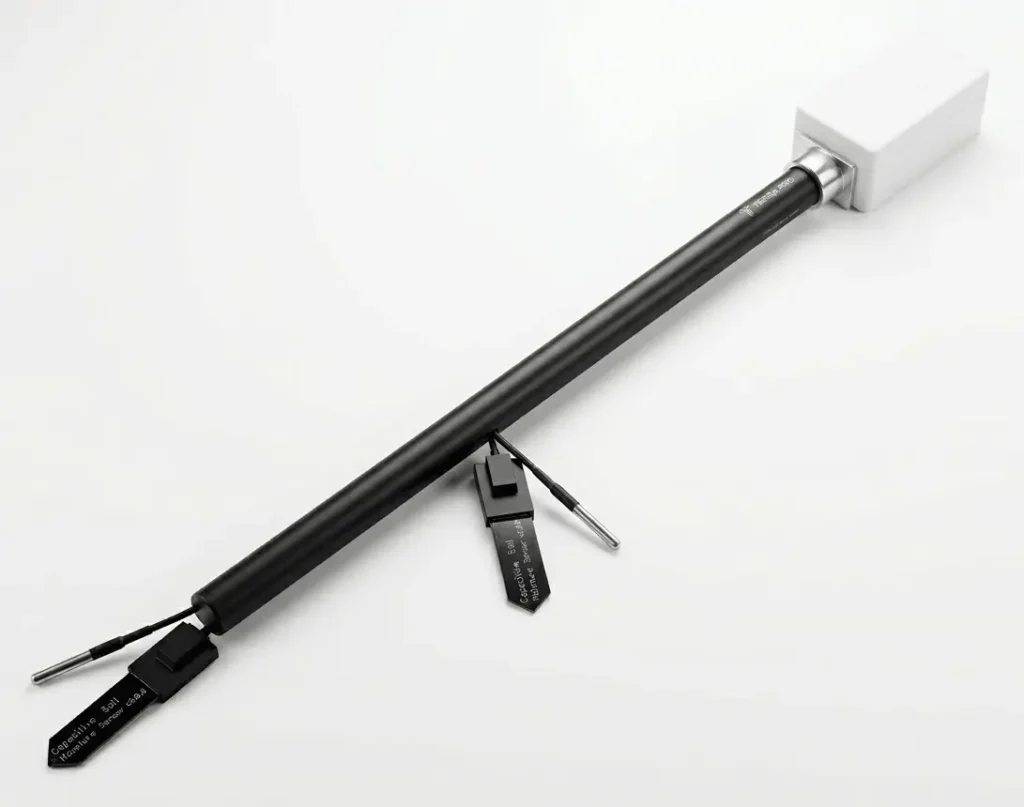
Skipping the soil test is another costly mistake that compounds every other decision. A KSh 3,000 soil test prevents tens of thousands of shillings in wasted fertilizer over the course of a few seasons, and yet adoption of soil testing on smallholder farms remains very low. Top-dressing too late, after tasseling in maize for example, produces almost no yield response because the critical nitrogen demand has already passed. Ignoring secondary nutrients like sulfur, zinc, and magnesium leads to situations where adding more nitrogen and phosphorus produces no response, and farmers wrongly conclude that fertilizer simply does not work on their farm.
Fertilizing pest-stressed crops is another wasted investment. Aphids, stalk borers, root diseases, and viral infections all prevent normal nutrient uptake regardless of how much fertilizer is in the soil. Healthy crops respond to fertilizer, while sick crops do not, which means scouting for pests and diseases is part of fertilizer management even though it is rarely framed that way. Our guide on crop pests and diseases in Kenya covers what to watch for through each crop’s growth cycle, and one of the side benefits of using insect-based organic fertilizers like Proteen’s Protilizer is that the chitin content actively boosts plant defenses against many of these pests.
Applying urea on hot, sunny mornings is a particularly destructive mistake because volatilization losses peak under those conditions. Late afternoon or evening applications, ideally just before forecast rain, give vastly better returns than morning applications even when the same product and rate are used.
The bigger pattern behind most of these mistakes is a lack of real-time information about what is actually happening in the field. Farmers apply fertilizer on calendar dates instead of soil-moisture readings, on regional forecasts instead of local rainfall measurements, on visual symptoms that appear weeks after the actual problem started. This is exactly where modern sensor technology changes the economics of farming. Nuasense smart sensors for soil moisture, soil temperature, electrical conductivity, and full weather monitoring let you see what is actually happening in your field at any given moment, and apply fertilizer when it will do the most good rather than when the calendar says to.
Putting it all together
Fertilizer is a tool, not a solution, and treating it as a magic input that solves every farm problem leads to wasted money and degraded soil. It works when soil pH is right, when rainfall or irrigation supports nutrient uptake, when pests are not draining the plant, and when application timing matches the crop’s actual demand. Get those four things right and even modest fertilizer rates produce strong yields. Get them wrong and the most expensive fertilizer in the agrovet will not save your harvest.
The Kenyan farms producing the highest yields per acre, whether that is 8-tonne maize in Trans Nzoia, 60-tonne tomato yields in Kirinyaga, or premium tea in Kericho, share a few common habits. They test their soil regularly. They lime when soil tests indicate acidity. They combine organic and inorganic inputs deliberately rather than relying on one or the other. They time applications to actual conditions rather than fixed dates, and they monitor their fields continuously instead of guessing what is happening between visits.
The fertilizer landscape in Kenya is also changing in ways that benefit careful farmers. The new generation of high-quality organic fertilizers, with Proteen leading the market in insect-frass-based products, is making it possible to genuinely combine the soil-building benefits of organic inputs with the predictable performance that used to require synthetic products. Government subsidy programs, when they reach farmers in time, are gradually shifting toward NPK formulations that work better on the increasingly acidic soils of western Kenya. And the cost of soil and weather monitoring technology has dropped enough that even mid-sized farms can now afford the kind of real-time data that was previously available only to large commercial operations.
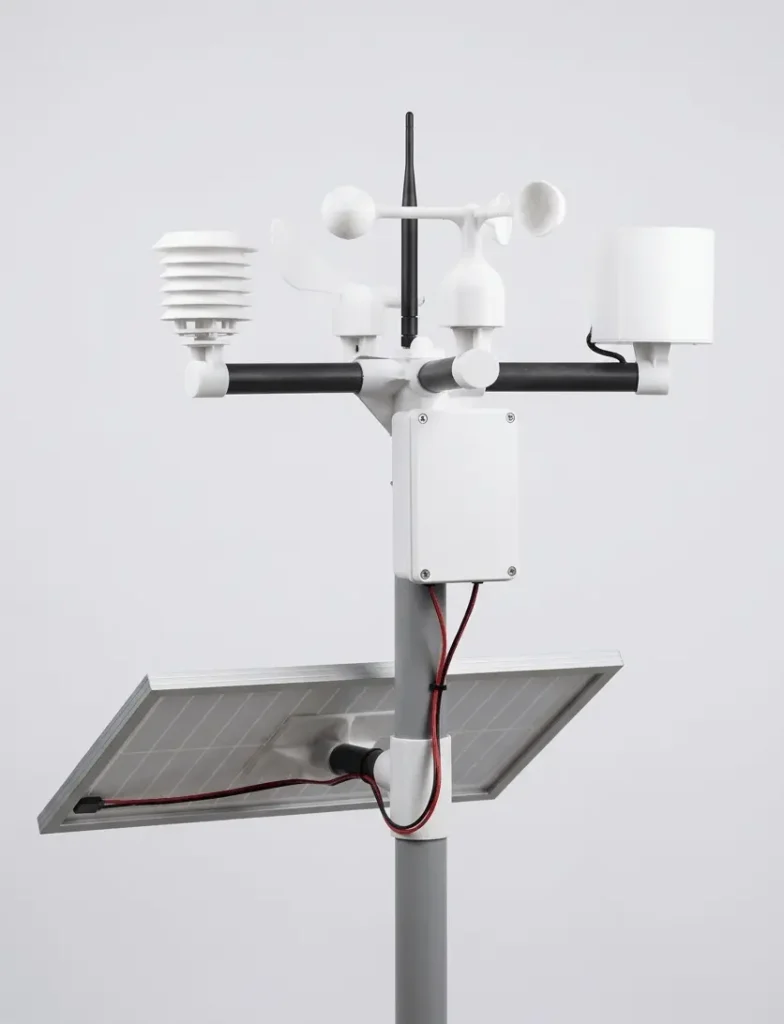
If you take one practical thing from this guide, let it be this. Measure before you fertilize. Whether that is a soil test every two years, a real-time soil and weather sensor system from a provider like Nuasense, or simply a notebook tracking what you applied and what you harvested, the farms that measure are the farms that improve. The farms that guess tend to keep getting the same disappointing results year after year, even as input costs rise and weather becomes less predictable.
For ongoing support with specific crops, our detailed guides cover maize, potatoes, beans, and herbs, and our soil sensors and weather stations give you the field-level data you need to make every fertilizer decision a profitable one. Combined with high-quality organic inputs from companies like Proteen and proper soil pH management, the right monitoring approach can transform fertilizer from a stressful annual expense into a predictable investment with measurable returns.
Good luck this season, and may your bags of fertilizer turn into bags of grain.