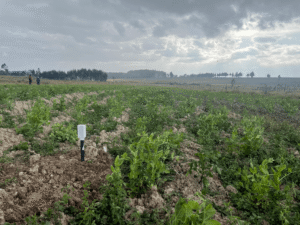
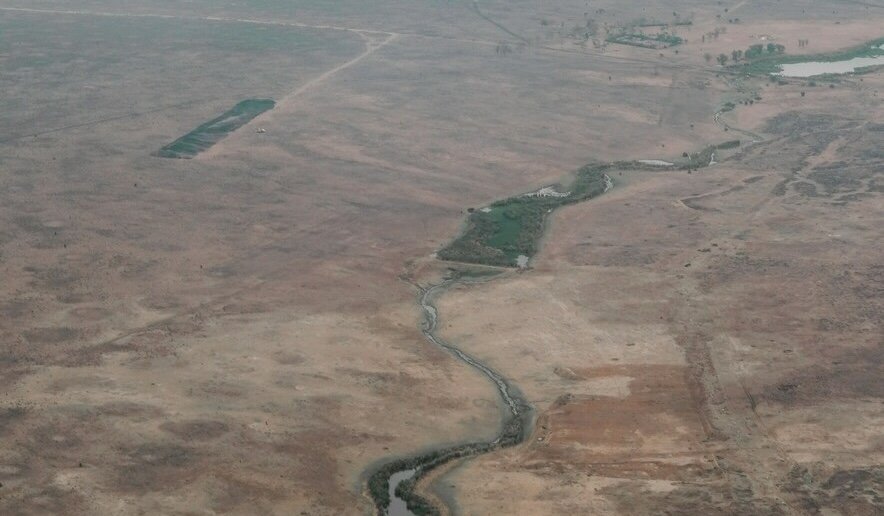
Soil health is the foundation of Kenya’s agricultural productivity, food security, and rural livelihoods. Yet across many regions,from high-potential farming zones to arid and semi-arid lands, soils are becoming less fertile, less resilient, and more vulnerable to erosion and climate stress. Declining soil health reduces crop yields, increases farming costs, and undermines long-term sustainability.
This article explores the key reasons behind soil degradation in Kenya and outlines practical, forward-looking strategies to counteract it. It is written from the perspective of Nuasense, a company that develops IoT-based soil sensing solutions to provide farmers with real-time insights. By translating soil data into actionable recommendations, Nuasense supports better decision-making that helps maintain and improve long-term soil health, alongside proven agronomic best practices.
Key drivers of declining soil health in Kenya
Kenya’s soils are under increasing pressure from both natural and human-induced factors. According to Cropnuts, soil health forms the foundation of sustainable farming systems because productive soils support nutrient cycling, water retention, and long-term yield stability, functions that are increasingly compromised under current land-use pressures. These pressures have accumulated over decades and vary across regions, farming systems, and soil types. Understanding the root causes of soil degradation is essential for designing interventions that are not only effective in the short term but also sustainable over multiple farming seasons and generations.
Nutrient depletion from continuous cultivation
A large share of Kenya’s agricultural land is cultivated continuously, particularly by smallholder farmers who depend on limited plots for their livelihoods. Repeated planting of nutrient-demanding crops such as maize without sufficient nutrient replenishment steadily mines the soil of essential elements, including nitrogen, phosphorus, potassium, and key micronutrients. While fertilizers are sometimes applied, they are often used in suboptimal quantities or without regard to the actual nutrient status of the soil.
In addition, limited incorporation of organic matter, such as crop residues, compost, or manure, reduces the soil’s biological activity and its ability to recycle nutrients naturally. Over time, soils become less responsive to fertilizers, crop root systems weaken, and yields stagnate or decline. This creates a cycle in which farmers must invest more inputs for diminishing returns, further straining both soils and farm incomes.
Soil erosion due to deforestation and land misuse
Soil erosion is one of the most visible and destructive forms of land degradation in Kenya. The clearing of forests for agriculture, fuelwood, or settlement removes protective vegetation cover that shields the soil from rainfall impact. Similarly, overgrazing and cultivation on steep or marginal lands leave soils exposed and vulnerable.
During heavy rainfall events, unprotected topsoil is easily washed away, carrying with it organic matter, nutrients, and beneficial soil organisms. This loss is often irreversible on human timescales. Eroded soils have reduced water-holding capacity, poorer structure, and lower fertility, making crops more susceptible to drought and nutrient stress. In downstream areas, eroded sediments can also clog waterways and reservoirs, creating wider environmental and economic impacts beyond the farm itself.
Environmental and climate-related factors affecting Kenyan soils
Climate change is amplifying existing soil challenges in Kenya, interacting with land use pressures to accelerate degradation. AgroCares emphasizes that healthy soils rely on a balance of physical structure, chemical composition, and biological life, all of which are highly sensitive to changes in temperature and moisture regimes. Shifts in rainfall patterns, increasing frequency of extreme weather events, and rising average temperatures are altering how soils function physically, chemically, and biologically. These changes make soil health management more complex and urgent, particularly for rainfed smallholder farming systems that dominate much of the country.
Impact of erratic rainfall and prolonged droughts
Rainfall in many parts of Kenya has become increasingly erratic, with seasons marked by short periods of intense rainfall followed by extended dry spells. Heavy downpours overwhelm soil infiltration capacity, especially where soil structure has already been degraded. As a result, surface runoff increases, carrying away fertile topsoil and nutrients while reducing the amount of water stored in the soil profile for later crop use.
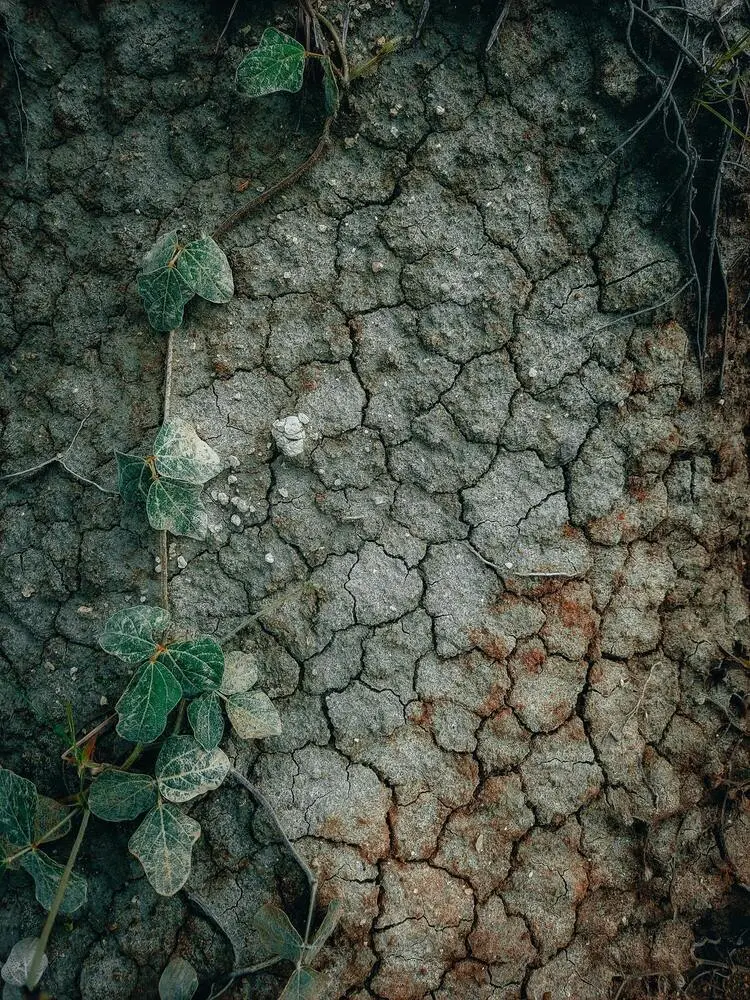
Prolonged droughts compound these effects by drying out soils for extended periods. Dry soils tend to compact and crack, reducing pore space and limiting root penetration. Soil microbial populations, essential for nutrient mineralization and organic matter decomposition, decline sharply under dry conditions, disrupting nutrient availability to crops. When rains eventually return, soils often respond poorly, leading to uneven crop establishment, higher crop failure risk, and reduced overall productivity.
Effects of rising temperatures on soil organic matter
Rising average temperatures accelerate biological and chemical processes within the soil, particularly the decomposition of soil organic matter. While organic matter breakdown is a natural process, higher temperatures speed it up beyond the rate at which organic inputs are typically replenished in many Kenyan farming systems.
As soil organic matter declines, soils lose a critical stabilizing component that supports aggregation, water retention, and nutrient buffering. Low organic matter soils are more prone to crusting, compaction, and erosion, and they retain less moisture during dry periods. This creates a feedback loop in which higher temperatures weaken soil resilience, making soils more vulnerable to both drought stress and intense rainfall events, ultimately undermining long-term agricultural sustainability.
Socioeconomic and farming practices accelerating soil degradation
Beyond environmental factors, social and economic constraints strongly influence how soils are managed across Kenya. Limited access to resources, information gaps, market pressures, and land tenure realities all shape farmers’ decisions. While many of these practices are driven by necessity rather than choice, their cumulative effect is a steady decline in soil health.
Overreliance on chemical fertilizers and limited soil testing
In many Kenyan farming systems, fertilizers are applied based on generalized regional recommendations rather than site-specific soil conditions. This blanket approach often results in the overapplication of certain nutrients while other essential macro- and micronutrients remain deficient. Over time, such imbalances disrupt soil chemistry, reduce nutrient-use efficiency, and can lead to problems such as soil acidification, salinity, or nutrient lock-up.
The lack of regular soil testing further compounds the issue. Without accurate data on soil pH, nutrient levels, and organic matter content, farmers have little visibility into the actual condition of their soils. This uncertainty encourages reactive input use, adding more fertilizer when yields decline, rather than addressing the underlying causes of soil degradation. Excessive chemical fertilizer use can also suppress beneficial soil organisms, reducing biological activity and weakening natural nutrient cycling processes that are essential for long-term soil fertility.
Smallholder land pressure and reduced fallow periods
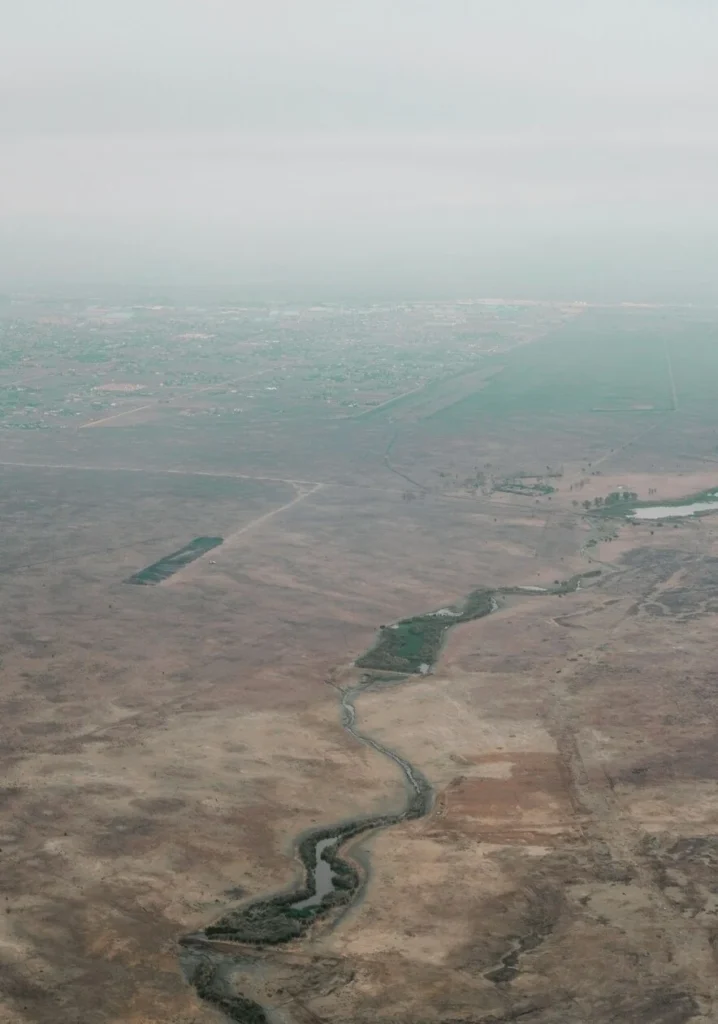
High population density and land fragmentation mean that many smallholder farmers operate on very small plots that must produce food and income every season. As a result, traditional practices such as fallowing, crop rotation, or resting land are increasingly difficult to implement. Continuous cultivation places constant stress on soils, preventing the natural rebuilding of organic matter and soil structure.
Without fallow periods or sufficient organic inputs, soils gradually lose their regenerative capacity. Compaction increases, root development is restricted, and water infiltration declines. Farmers may respond by expanding cultivation into marginal lands or increasing input use, further accelerating degradation. This cycle highlights the close link between socioeconomic pressures and environmental outcomes, underscoring the need for solutions that improve soil health while remaining practical and economically viable for smallholder farmers.
Practical strategies to restore and sustain soil health in Kenya
Reversing soil degradation requires a combination of traditional soil conservation methods, modern agronomy, and data-driven decision-making. No single intervention is sufficient on its own; instead, sustainable soil health depends on integrated approaches that improve physical structure, restore biological activity, and support informed day-to-day farm management.
Regenerative farming practices and organic soil amendments
Regenerative farming practices focus on rebuilding soil function rather than simply maintaining short-term productivity. Techniques such as crop rotation reduce pest and disease pressure while balancing nutrient demand across seasons. Cover crops protect soil surfaces from erosion, enhance water infiltration, and contribute organic residues that feed soil organisms. Reduced or minimum tillage helps preserve soil structure, maintain pore spaces, and limit the breakdown of organic matter.
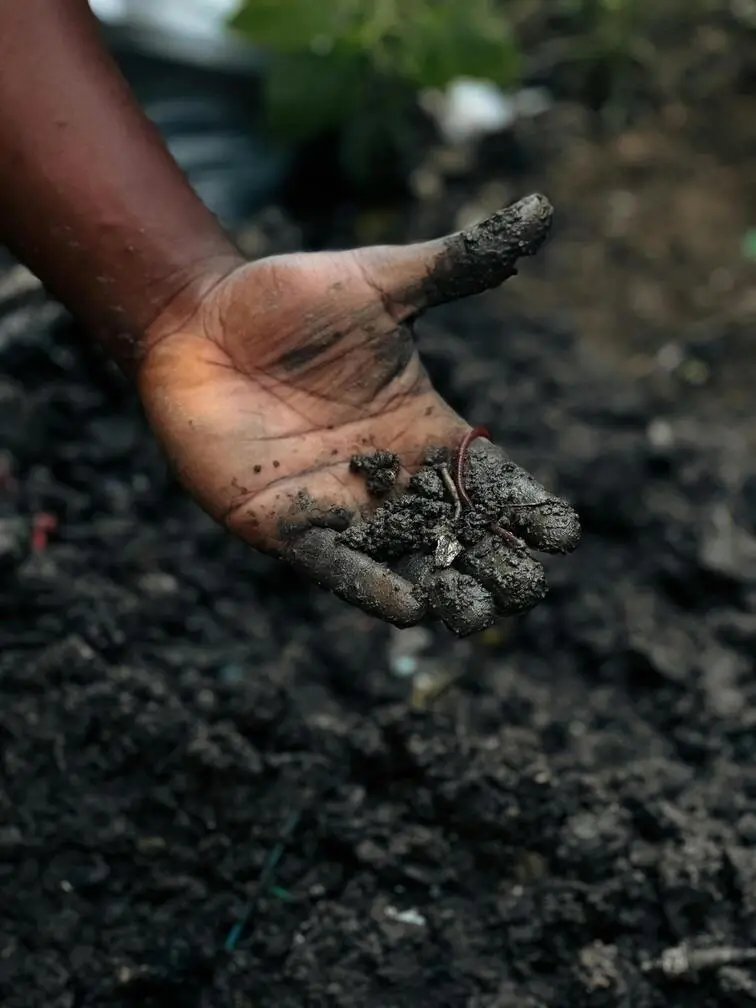
Organic soil amendments, including compost, manure, and crop residues, play a central role in restoring degraded soils. These inputs increase soil organic carbon, stimulate microbial activity, and improve nutrient cycling. However, their effectiveness depends on timing, quantity, and local soil conditions, factors that are often difficult for farmers to assess accurately.
This is where smart soil monitoring becomes a powerful enabler. IoT-based soil sensors, such as those developed by Nuasense, provide continuous, in-field measurements of soil moisture, temperature, and related dynamics. These real-time insights allow farmers to better understand how soils respond to rainfall, irrigation, and management practices. By identifying emerging stress conditions early, farmers can adjust irrigation schedules, optimize input application, and avoid practices that degrade soil health. Over time, data-driven management supports more resilient soils, higher input efficiency, and improved long-term sustainability. More on the impact of IoT on soil health can be found in my latest articles “IoT applications in Kenyan Agriculture” and “Smart farming in Kenya“
Policy, education, and community-led soil conservation initiatives
While on-farm practices are critical, broader institutional support is essential for sustained soil restoration at scale. Guidance from Farmers.gov highlights that effective soil health strategies work with natural soil processes to reduce erosion, improve water infiltration, and strengthen nutrient cycling, outcomes that depend on coordinated policy, education, and conservation efforts. Policies that promote soil conservation, such as incentives for sustainable land management, support for soil testing, and investment in extension services, create an enabling environment for farmers to adopt better practices.
Education and capacity building are equally important. Farmer training programs, demonstration plots, and knowledge-sharing platforms help translate scientific recommendations into locally relevant actions. Community-led initiatives, including watershed management groups and farmer cooperatives, encourage collective responsibility for land stewardship and facilitate the sharing of resources and experiences.
Public–private partnerships can further accelerate impact by combining policy support, farmer engagement, and technological innovation. When farmers have access to knowledge, appropriate incentives, and practical tools, including data-driven insights from technologies like soil sensors, soil restoration becomes not only environmentally necessary but also economically viable for farming communities across Kenya.
Want to maintain and improve your soil health?
At Nuasense, we believe that healthy soils start with better insight. By combining proven soil management practices with real-time data from IoT-based soil sensors, we help farmers, agribusinesses, and project partners make informed decisions that protect and improve soil health over time.
Our solutions provide continuous visibility into key soil conditions such as moisture and temperature, enabling more precise input use, early detection of stress, and smarter day-to-day farm management. Whether you are working with smallholder farmers or managing larger agricultural operations, Nuasense supports more resilient soils, higher productivity, and long-term sustainability.
Interested? Get in touch